Wellness Bloodwork: What It Can Tell Us Before Your Pet Seems Sick
Your senior dog still wags at the door. Your cat still eats breakfast. Everything looks fine.
But pets hide illness. It is how they are built. In the wild, a sick animal that shows weakness is in danger. So many pets act normal until a problem is well along.
Wellness bloodwork helps us see what your eyes cannot.
What is wellness bloodwork?
It is a set of blood tests for a pet who looks healthy. We do it as part of a check-up. We do not wait for a sign of illness.
A small blood sample gives us a look inside your pet’s body.
What does it check?
Most wellness panels look at these things:
- Blood cells. These show signs of infection, low blood count (anemia), or other changes.
- Kidney values. These show how well the kidneys are working.
- Liver values. These show how the liver is doing.
- Blood sugar. High sugar can be a sign of diabetes. November is Pet Diabetes Month.
- Proteins and salts (electrolytes). These show hydration and overall balance.
Your vet may also suggest a thyroid check, a urine test, or other tests. It depends on your pet’s age, breed and health history.
Why it matters for senior pets
Older pets can change quickly. Kidney disease, diabetes and thyroid problems are common as pets age. Early changes can be quiet.
Bloodwork also gives us a baseline. That is your pet’s normal numbers. Next year, we compare. A small change over time can tell us more than one test alone.
Catching a change early can give you more choices for care.
How does this fit with early cancer screening?
This is important to say clearly.
A normal blood test does not rule out cancer. Some cancers do not show up in routine bloodwork. And blood changes do not always mean cancer.
So we do not use bloodwork alone. Early screening works best as a team:
- A full physical exam. We feel for lumps, check lymph nodes, and look at the mouth, skin and belly.
- Your notes. You know your pet best. Tell us what you see at home.
- Bloodwork. It can show changes that need a closer look.
- More tests when needed. This might be a needle sample from a lump, imaging, or other steps.
If something looks off, we explain what it means and what to do next, in plain words.
How often should my pet have it?
Your vet will guide you. In general:
- Healthy adult pets: often once a year, as part of a yearly check-up.
- Senior pets: many vets suggest every six months to a year.
- Pets with a health problem or on medicine: as your vet advises.
What to expect at a house call
Some pets get stressed at the clinic. Blood draws can feel scarier there.
At a house call:
- Your pet stays in a familiar place.
- You stay close.
- We take a small blood sample.
- We explain the results and next steps.
Prefer the clinic? That works too.
Quick answers
Does my pet need to fast first? Sometimes. Ask us when you book. Do not skip water.
Will it hurt? There is a quick poke, like a shot. Most pets do well, especially with treats and a calm helper.
My pet looks healthy. Is bloodwork a waste? That is exactly when it helps most. A healthy pet gives us a baseline, and a way to catch quiet changes.
Can bloodwork find cancer? Sometimes it shows clues. But it cannot find every cancer. We use it with an exam and other tests.
How long until I get results? It depends on which tests we run. We will tell you when you book.
Ready to check in on your senior pet?
We come to you in Palm Beach County, or you can visit our clinic.
Call or text: (561) 493-3860
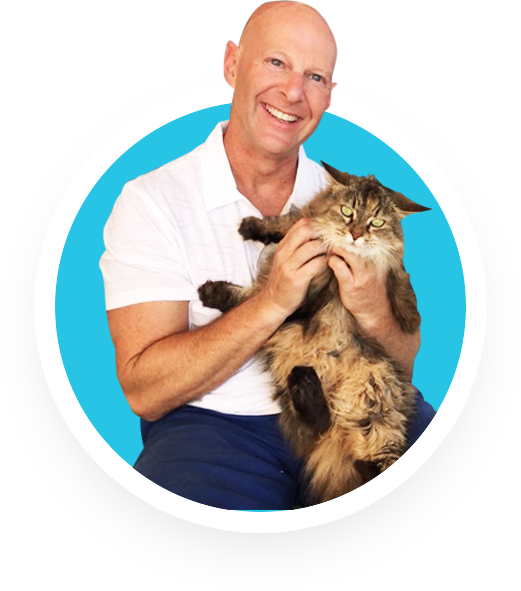
A 1991 graduate of Colorado State University School of Veterinary Medicine, Dr. Steve began his career in southern Vermont, where he owned and operated the Deerfield Valley Veterinary Hospital near Mt. Snow. After years of enduring harsh winters, he relocated to South Florida to be closer to family. In 2008, he started offering house calls, which eventually evolved into a full-time practice. His mission has always been to provide the most comprehensive in-home veterinary experience available.