


Here’s the Thing About Pet Dental Disease…
You know what surprised our team when we first started seeing cases decades ago? How many pet owners had no idea their dog or cat had dental problems. We’re talking about animals with infected gums, loose teeth, bacteria spreading through their bloodstream—and the owners just thought their pet had “dog breath.”
Here’s the reality: about 80% of dogs and 70% of cats over age three have some form of dental disease. That’s not a typo. Most pets walking around have dental problems right now.
And it’s not just about bad breath—though yeah, that’s usually the first clue. Dental disease doesn’t stay in the mouth. It spreads. Bacteria from infected gums gets into the bloodstream and can damage the heart, kidneys, liver. Our veterinarians have seen dogs with heart murmurs that started with untreated gingivitis.
The good news? Most of this is preventable. Or at least manageable if we catch it early enough.
What Actually Happens During a Dental Cleaning (No Surprises)
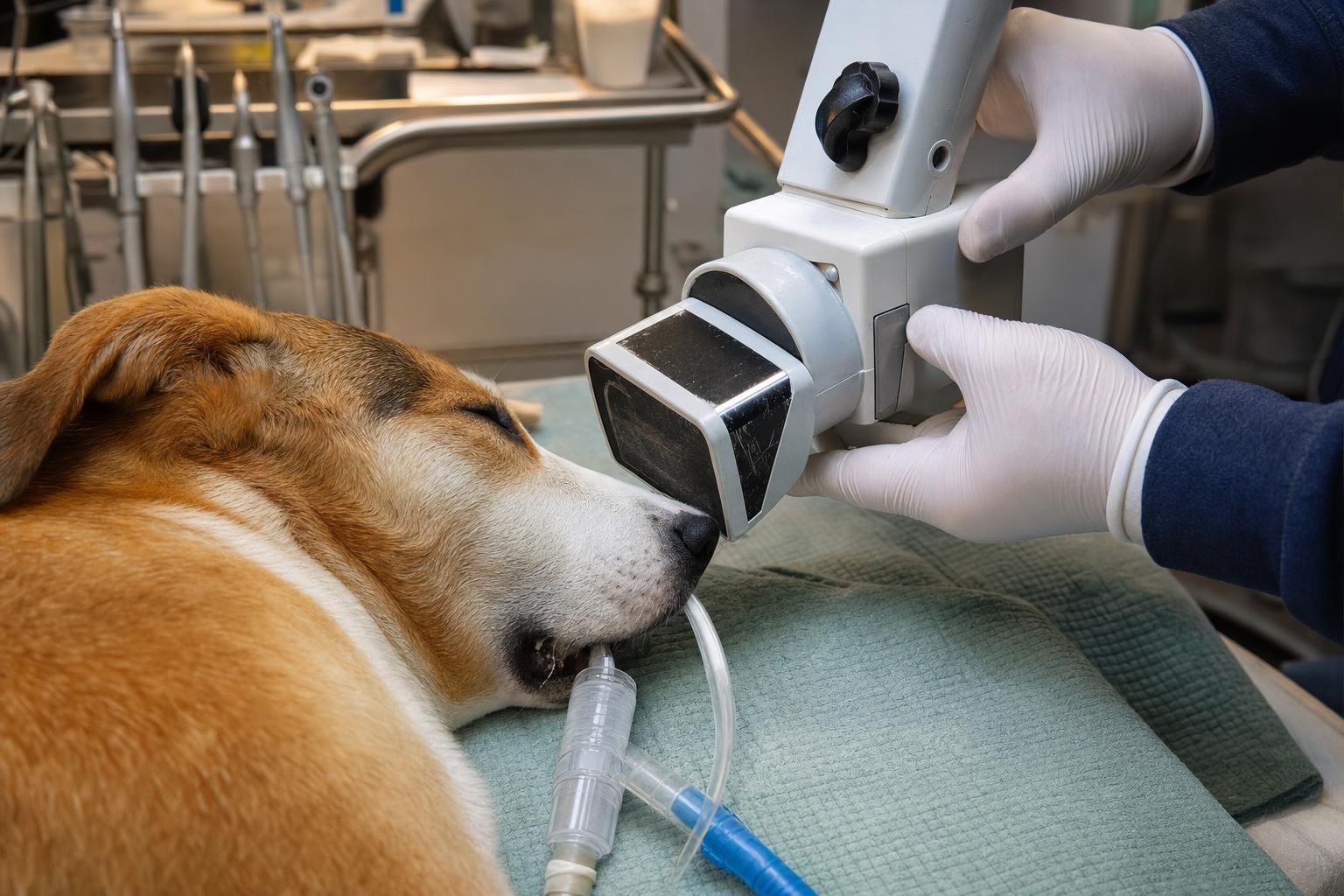
Look, we know “dental cleaning” sounds simple. Like we just scrub the teeth and call it a day. But there’s actually quite a bit more to it if we’re doing it right.
Here’s what we do:
Complete Oral Exam — Before anything else, our veterinarians examine every tooth, check the gums, look for abnormalities. We’re not just looking at what you can see—we’re checking for pockets between teeth and gums, loose teeth, fractured teeth, oral masses.
Full-Mouth Digital X-Rays — This is the part most people don’t realize is crucial. About 60% of dental disease happens below the gum line where you can’t see it. We take x-rays of every tooth to see what’s really going on with the roots and bone.
Scaling & Polishing — We remove all the tartar and plaque, both above and below the gum line. Then polish the teeth smooth—rough surfaces attract more plaque, so polishing actually helps keep them cleaner longer.
Extractions When Needed — Sometimes a tooth is too far gone to save. If that’s the case, we remove it during the same visit. No sense in making your pet go through anesthesia twice.
Advanced Procedures — If we find something that needs root canal therapy or oral surgery, our team handles that too. We’ve got the equipment and training for pretty much anything dental-related. If it’s too involved for our team we will let you know and refer to the nearest Dental Specialist.
The Anesthesia Question (Because Everyone Asks)
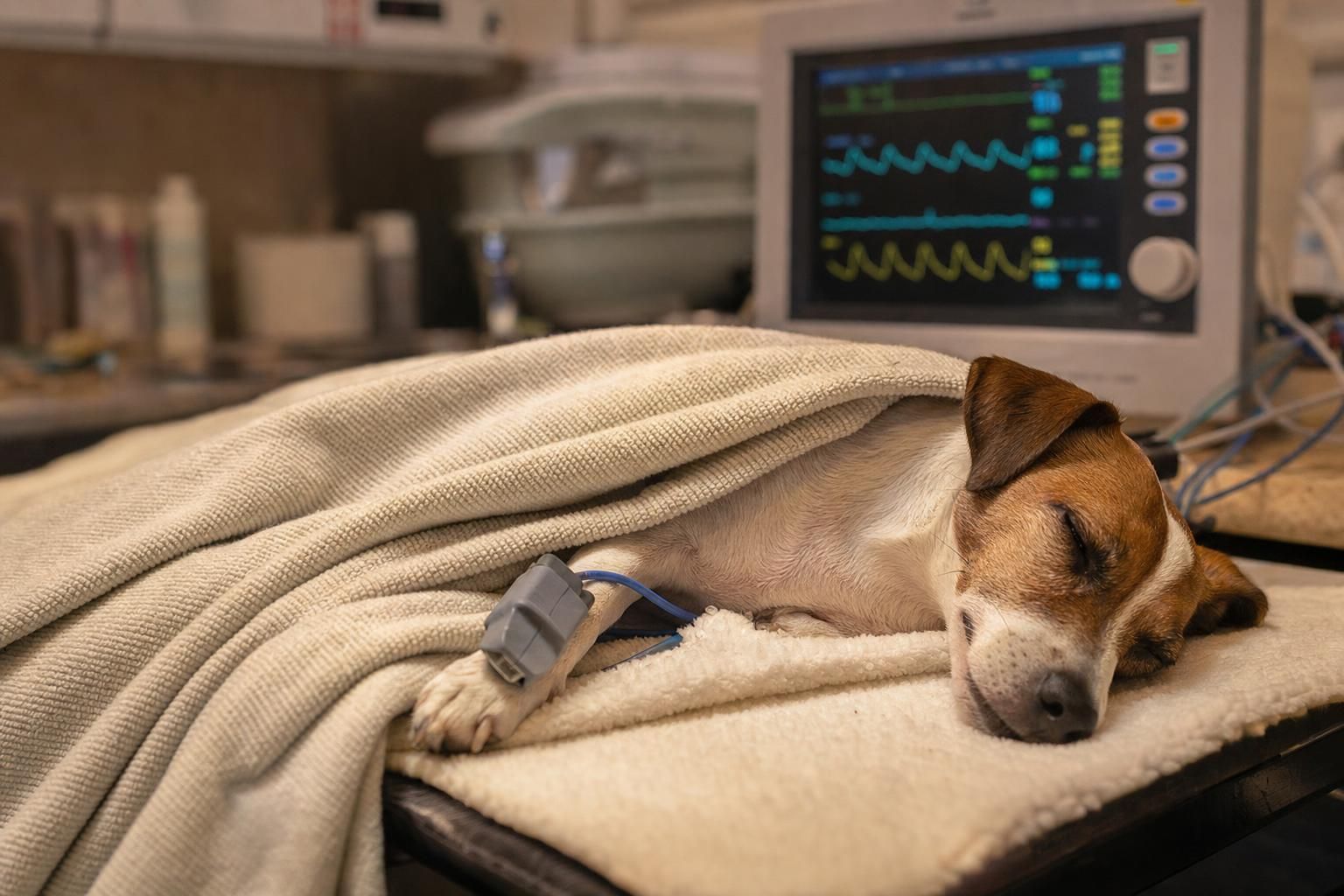
“Do you really need to put them under anesthesia?”
Short answer: Yes.
Longer answer: We know it’s scary. Trust us, we get it. But here’s why anesthesia is actually safer for dental work—we can do a thorough job without stressing your pet out. They’re not fighting us, they’re not in pain, and we can get under the gum line where the real problems hide.
Plus, our team monitors everything during the procedure. Heart rate, blood pressure, oxygen levels, body temperature—the whole nine yards. We use the same monitoring equipment you’d see in human hospitals.
Can we do “anesthesia-free” cleanings? Technically yes, for very minor surface cleaning. But here’s our honest take: if your pet needs a real dental cleaning, they need anesthesia to do it properly. Anything else is just cosmetic and misses the actual disease.
Why Choose All About Town Pet House Calls (Besides the Obvious)
We’re Local — We know West Palm Beach and Palm Beach County. We’re not some corporate chain where you see a different vet every time.
We Actually Know What We’re Doing — Dr. Steve Teisch brings 30+ years of veterinary experience. Our team has cleaned more teeth than we can count, and we still learn something new every week. We partner with board-certified dental specialists when cases get really complex.
Full Dental Surgical Suite — Most mobile vets can’t do dental work. Most regular vets have basic equipment. We’ve invested in a complete dental surgical suite because dental disease is that common and that important.
Transparent Pricing — We give you a real estimate before we start. If we find something during the procedure that needs additional work, we call you before doing it. No surprise bills.
We Care About Comfort — Pain management isn’t optional. It’s part of the plan. Your pet goes home with appropriate pain meds, and our team follows up to make sure they’re healing well.
What to Expect (The Whole Process)
Before You Come In:
We’ll need your pet to fast—no food after midnight before the procedure. Water is fine until you leave for our office. We’ll also do bloodwork beforehand to make sure anesthesia is safe for your specific pet.
When You Arrive:
Our team goes over everything again, answers any last-minute questions, gets your signed consent. Then we take your pet back and you can head home or wait if you prefer (though it usually takes a few hours).
During the Procedure:
We induce anesthesia gently, place an IV catheter, intubate to protect the airway. Then we start the exam and cleaning process. If we find anything unexpected, we call you before proceeding.
Going Home:
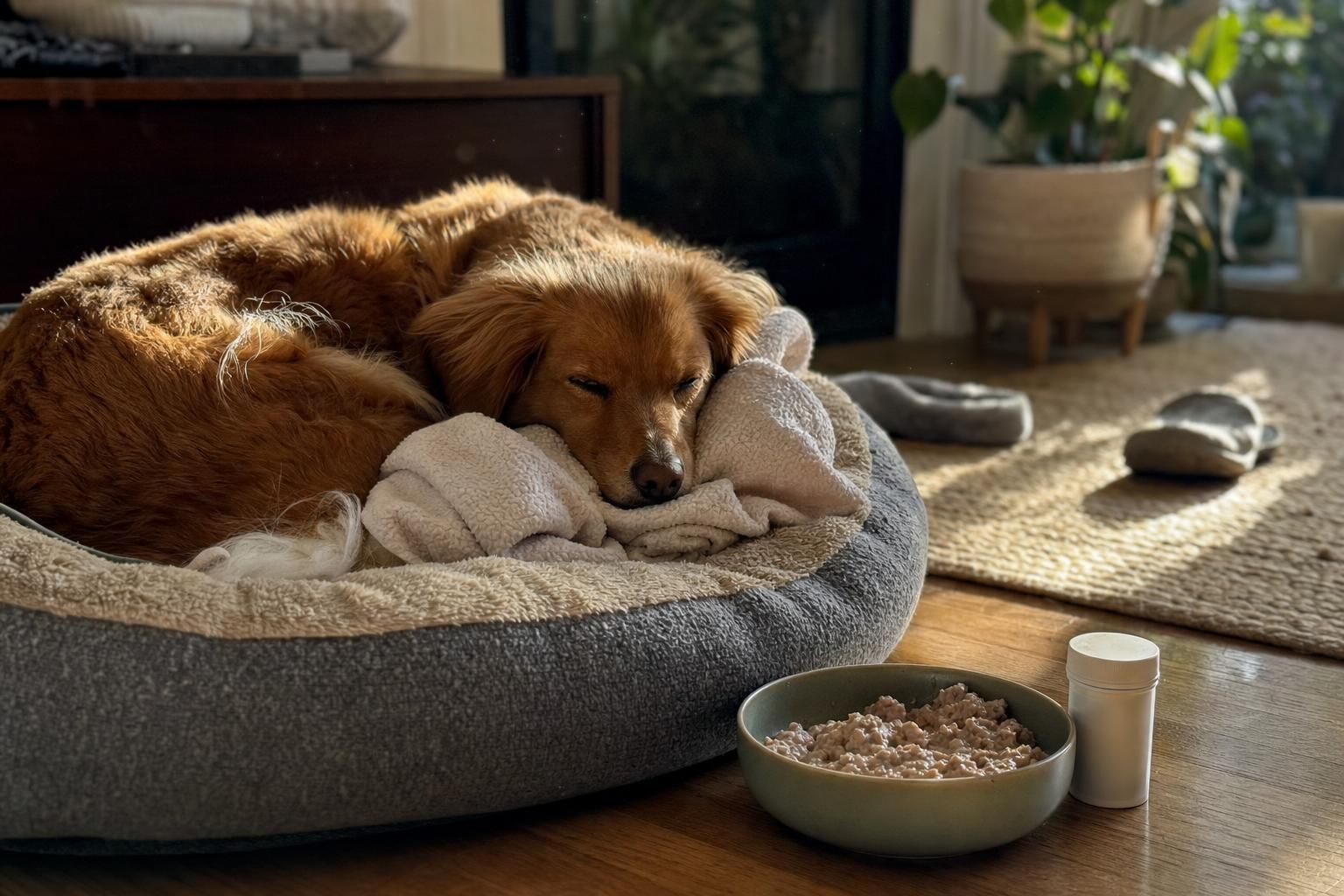
Your pet will be a bit groggy but should be mostly alert by the time you pick them up. We send home discharge instructions, any medications needed, and follow-up recommendations.
Follow-Up:
Our team usually checks in within 24-48 hours to see how they’re doing. If we did extractions, we’ll want to see them back in about two weeks.
Taking Care of Those Teeth After the Cleaning
Alright, so we’ve just spent time and money getting your pet’s teeth clean. Let’s keep them that way.
For the First Few Days:
- Soft food only while gums heal (canned food, soaked kibble)
- Pain meds as prescribed
- Watch for excessive bleeding, swelling, or if they’re not eating—call us if any of that happens
- No hard chew toys for at least a week
Long-Term Care:
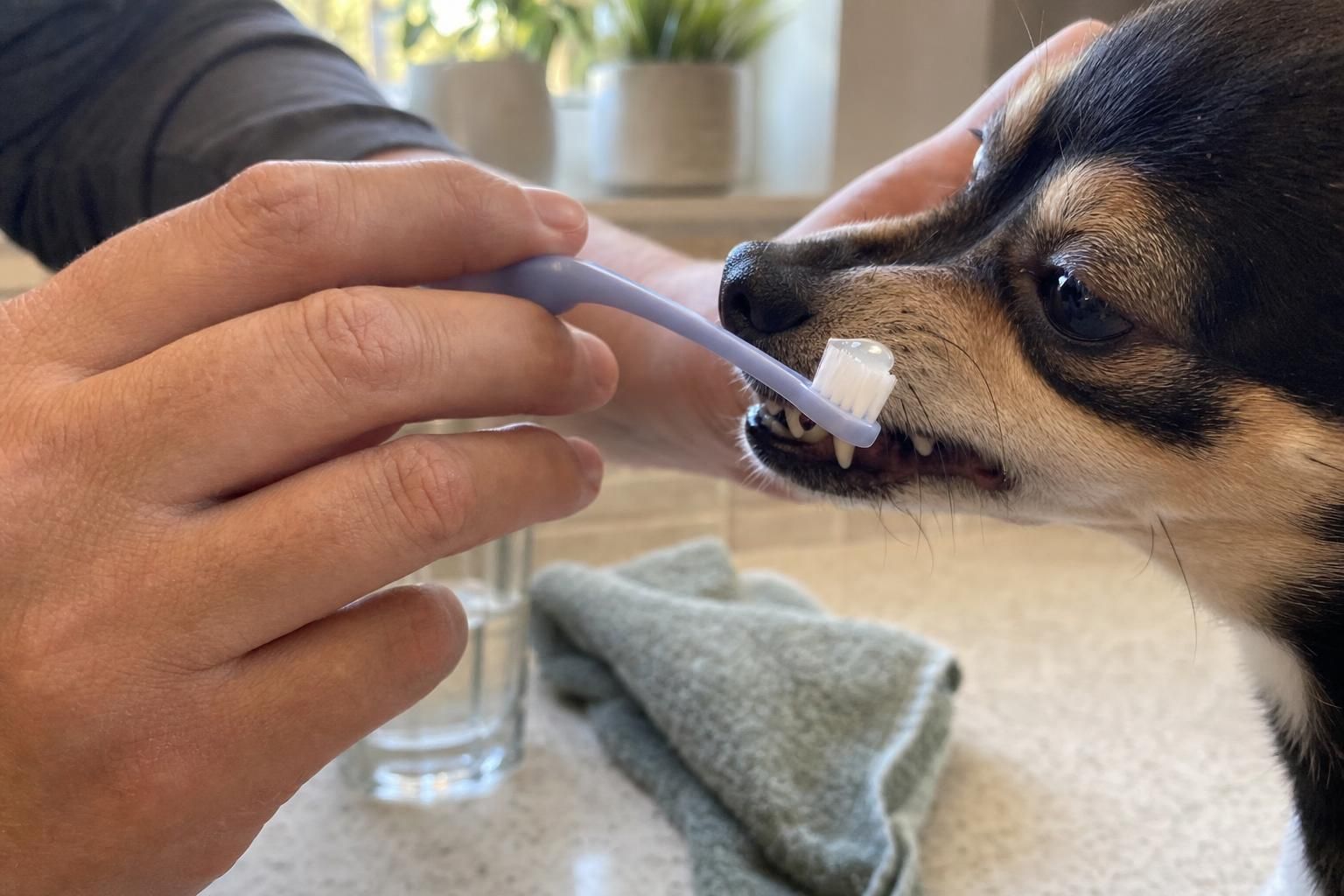
Honestly? Brushing is the gold standard. We know, we know—easier said than done. But even a few times a week makes a difference. Our team can show you how to do it without getting bitten.
Can’t brush? Dental chews help. Water additives help. Special diets designed for dental health help. None of them are as good as brushing, but something is better than nothing.
Signs Your Pet Needs a Cleaning (Like, Soon)
Bad Breath — We’re not talking about normal dog breath. We mean you-can-smell-it-across-the-room bad breath. That’s bacterial overgrowth.
Yellow or Brown Teeth — That’s tartar buildup. The more there is, the longer it’s been there.
Red, Swollen Gums — Healthy gums are pink. Red and puffy means inflammation and infection.
Bleeding Gums — Especially when they chew on things. Not normal.
Drooling More Than Usual — Or pawing at their mouth. That’s often a sign of pain.
Not Wanting to Eat Hard Food — If they’re suddenly only eating soft food or dropping kibble; might be tooth pain.
Loose or Broken Teeth — Pretty self-explanatory. If you can see this, we need to address it.
Acting Weird — Sometimes pets just act off when they’re in dental pain. Less playful, more irritable, sleeping more.
We Serve West Palm Beach and Surrounding Areas
Our facility is in Lantana, but we serve pets throughout Palm Beach County:
- West Palm Beach (all neighborhoods)
- Palm Beach
- Royal Palm Beach
- Lake Worth
- Wellington
- Boca Raton
- Delray Beach
- Boynton Beach
- Jupiter
- Palm Beach Gardens
Basically, if you’re in Palm Beach County, we can help.
Ready to Actually Do Something About Those Teeth?
Look, we get it. Dental cleaning isn’t the most exciting thing to spend money on. But it’s one of those things that makes a real difference in your pet’s health and quality of life.
Plus, catching problems early is always cheaper than waiting until teeth start falling out or infection spreads.
Office Hours: Monday-Friday, 8am-6pm
Location: 301 E Ocean Ave, Suite 5, Lantana, FL 33462
We’ll take good care of your pet. That’s kind of our whole thing.
Credentials: Dr. Steven Teisch, DVM • 30+ Years Experience • Florida License VM9790 • American Veterinary Dental Society Member