


When Your Pet Needs Surgery
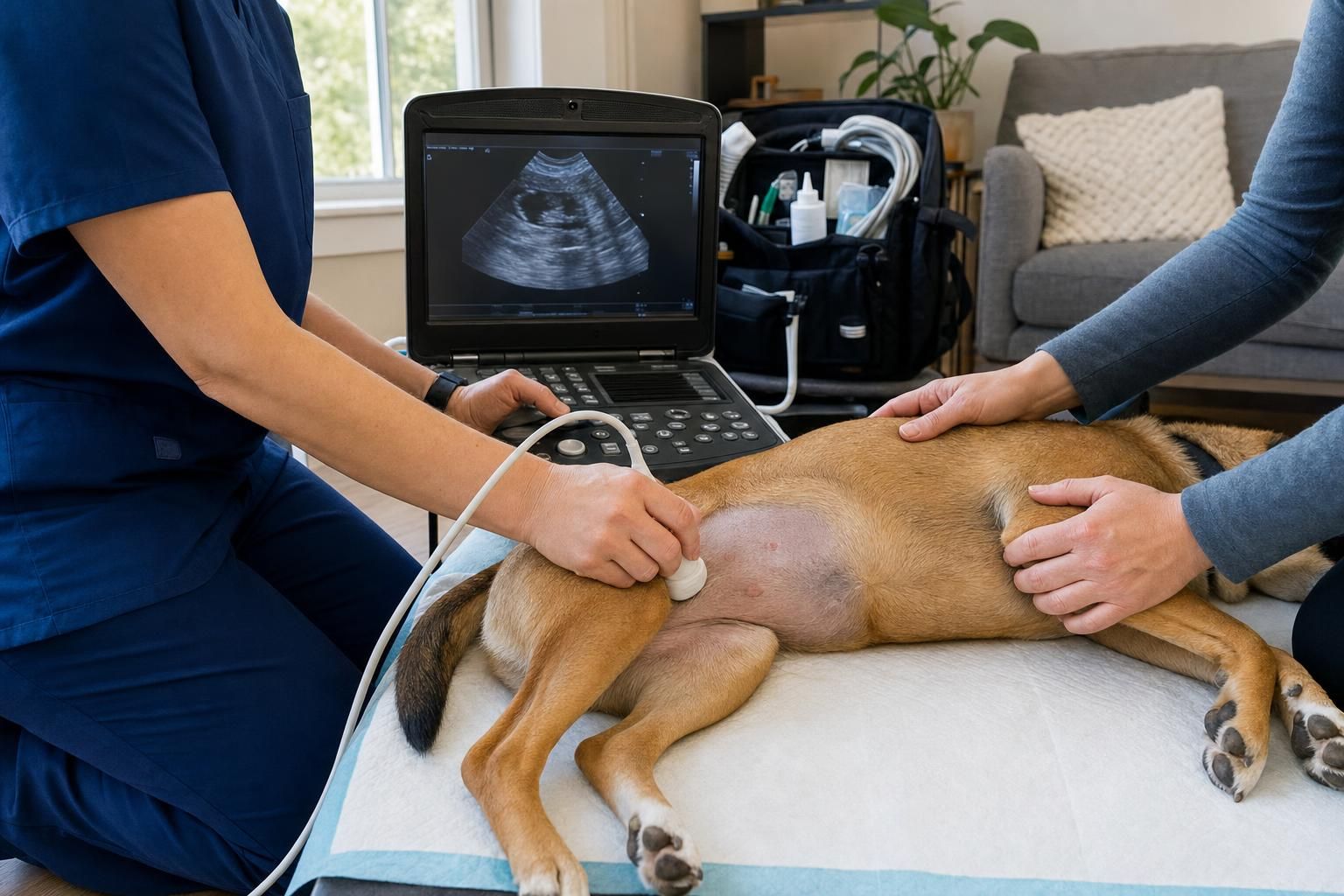
Surgery is scary. We get it. Your pet needs a procedure, and suddenly you’re up at night googling “anesthesia risks” and “what could go wrong” and spiraling into worst-case scenarios. After 30-plus years doing veterinary surgery in West Palm Beach and all over Palm Beach County, I’ve had this conversation hundreds of times. So here’s how we do things: straight talk, modern equipment that actually works, and yeah, we’ll explain things like you’re an intelligent person who deserves real answers.
Why Do Surgery With Us
The hybrid model thing – here’s what makes us different:
You know what frustrates me about how most mobile vets operate? They come to your house, find something that needs surgery, and then – boom – here’s a referral to some surgeon across town who’s never met your pet and doesn’t know their history. You’re starting from scratch with a stranger.
We don’t do that. We’re not just a mobile vet service, and we’re not just a surgical facility. We do both. So when I examine your dog at home and find, say, a mass that needs to come out, we schedule it at our Lantana facility. I do the surgery myself. Then we handle post-op care with house calls so your dog doesn’t have to stress about car rides while they’re healing. Same team, start to finish. No handoffs to people who’ve never met your pet.
Our surgical facility in Lantana:
We’ve got a proper surgical suite with legitimate anesthesia monitoring – not just eyeballing it and hoping for the best. Digital imaging right there, so we’re not sending you somewhere else for X-rays or ultrasound. Sterile protocols, recovery area, the whole setup.
Are we the fanciest veterinary surgery center in Florida? No. But we’ve got solid, modern equipment, experienced people, and most importantly, we’ll tell you straight what your pet actually needs versus what would just be nice to have.
Types of Surgery We Handle
Soft Tissue Surgery
This is the bulk of what we do:
Spay/neuter – Done it hundreds of times. Routine stuff, but we don’t phone it in.
Tumor removal – Skin masses, lipomas, cancerous growths. Some are straightforward, some aren’t. We’ll know once we get in there.
Abdominal surgery – Foreign body removal (yes, your dog ate a sock), intestinal issues, bladder stones. Basically, when something’s wrong inside that needs fixing.
Hernia repairs – Umbilical, inguinal, diaphragmatic. More common than you’d think.
Emergency procedures – Bloat surgery, trauma repair, the stuff that can’t wait until next week.
Orthopedic Surgery
Bone and joint work:
ACL/CCL repairs – Torn knee ligaments in dogs. Super common, especially in active dogs who think they’re still puppies. We use the lateral suture technique – works well, proven track record.
Fracture repair – Broken bones from accidents, falls, whatever happened. Depends on the fracture type, but we handle most of them.
Hip surgery – FHO procedures for hip problems. Not as scary as it sounds.
Patella luxation – Kneecap corrections. See this a lot in small dogs. Their kneecaps just… slide out of place. We can fix that.
Dental Surgery
More than just cleaning teeth (though we do that too):
Tooth extractions – Infected teeth, broken teeth, teeth that just need to go. Dogs do fine without them.
Oral tumor removal – Masses in the mouth. Caught early, these are usually manageable.
Jaw surgery – Fractures or severe dental disease. Less common, but we handle it.
Emergency Surgery
The stuff that can’t wait:
GDV/Bloat surgery – Life-threatening stomach torsion. If you call with this, drop everything and get to us or the nearest emergency hospital. Minutes matter.
Trauma repair – Dog fights, hit by car, bad accidents. We’ve seen it all.
Foreign body emergencies – When your dog ate something really stupid and now it’s stuck. Happens more than you’d think.
Referrals we do:
Complex orthopedic stuff like TPLO, neurosurgery, advanced oncologic surgery – we refer those out. No ego here. If your pet needs something beyond what we can safely do with our equipment and training, I’ll tell you straight and get you to the right specialist.
The Surgical Process – What Actually Happens
Pre-Surgical Workup
Before we do any surgery, here’s what happens:
- Physical examination (thorough one, not a quick once-over)
- Bloodwork to check organ function – liver, kidneys, everything
- X-rays or ultrasound if we need to see what’s going on inside
- Real discussion about risks, costs, recovery timeline
We don’t do surgery on pets who aren’t healthy enough for anesthesia. If bloodwork shows kidney problems or liver issues, we either address those first or significantly adjust our anesthesia protocol. Sometimes that means postponing surgery, which I know is frustrating, but it’s better than having things go wrong on the table.
Day of surgery:
- Drop off in the morning, usually 8-9am
- No food after midnight the night before (yes, your pet will give you sad eyes in the morning – don’t cave)
- Water is usually okay until morning, but we’ll give you specific instructions
- Bring any medications your pet is currently on
Anesthesia and Monitoring
This is what keeps most people up at night, and honestly, it should be taken seriously. Here’s exactly how we approach it:
Pre-anesthetic sedation: Gets your pet relaxed before we induce full anesthesia. Reduces stress and means we need less of the heavy-duty anesthetic drugs.
Induction: Injectable anesthetic to put them to sleep, then we place an endotracheal tube. Standard protocol.
Maintenance: Gas anesthesia for the surgery itself. Way safer than the old-school injectable-only methods from decades ago.
Monitoring during surgery:
- Heart rate and rhythm (ECG)
- Blood pressure
- Oxygen saturation
- Respiratory rate
- Body temperature
And here’s the important part – someone is actually watching these monitors the entire time. Not just glancing over occasionally. A technician is monitoring your pet continuously while I’m doing the surgery. We don’t set it and forget it.
The Surgery Itself
Obviously it depends on what we’re doing. Simple mass removal might be 20 minutes. Complex abdominal surgery could be 2+ hours. Sometimes longer if we find something unexpected once we’re in there.
Sterile protocols:
- Surgical scrub and prep (yes, we shave the area – sorry, it grows back)
- Sterile instruments and drapes
- Proper surgical technique
- Pain management during the procedure itself
Recovery
Immediate post-op:
Recovery area where we monitor them waking up. Usually takes 30-60 minutes to come out of anesthesia properly. We don’t send pets home still groggy and confused – that’s just asking for problems.
Going home:
Most pets go home the same day. Some stay overnight for monitoring – major surgeries, older pets, complicated cases where we want to keep an eye on them. You get written instructions (actually readable ones, not medical gibberish), pain medications, and our phone number.
Follow-up:
- Post-op check at 3-5 days (we can do this as a house call, which is way less stressful)
- Suture removal at 10-14 days
- X-rays to check healing if it’s an orthopedic case
Post-Operative Care at Home
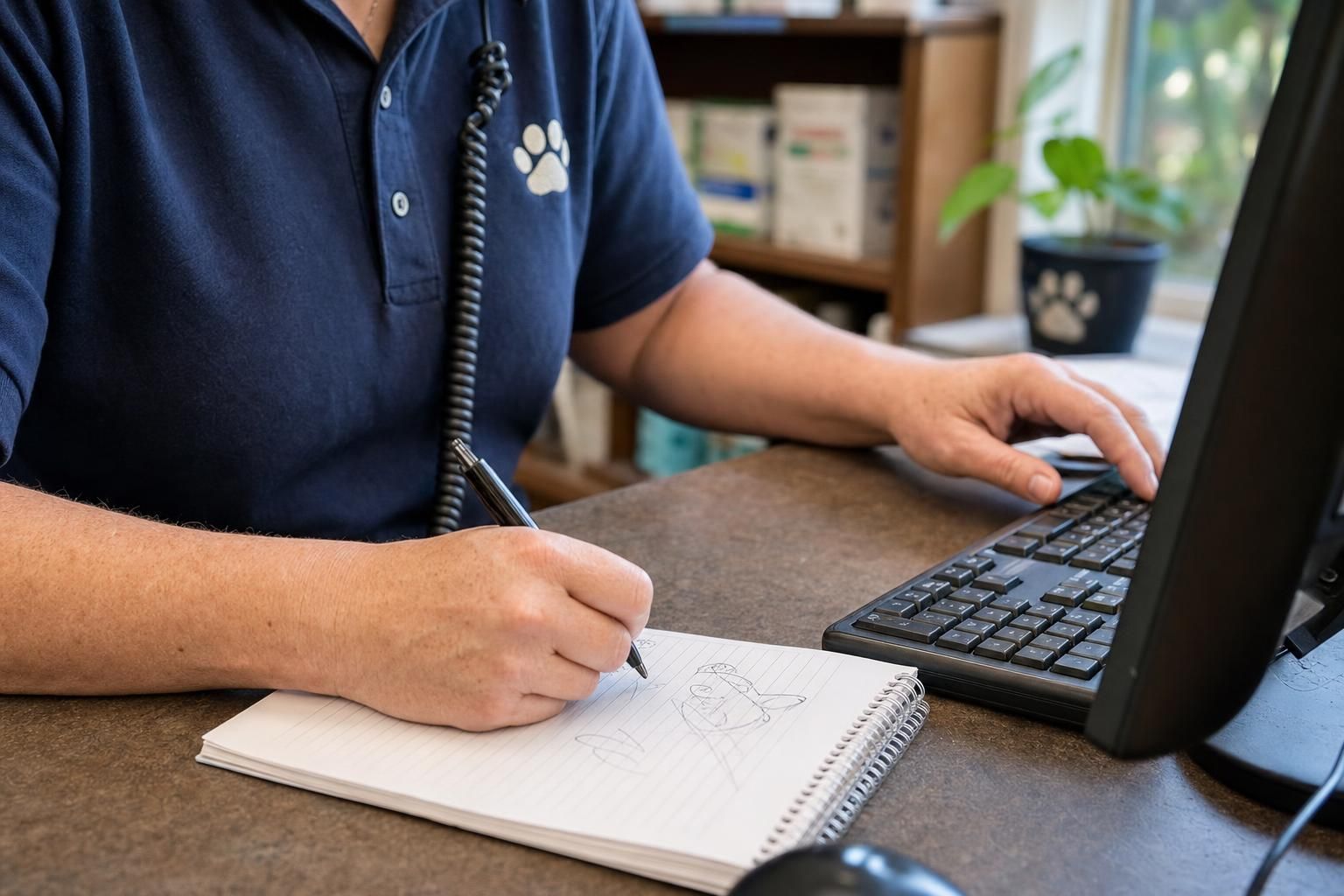
Here’s what you’re responsible for once your pet gets home:
Medications: Pain meds, antibiotics if prescribed. Follow the schedule. Don’t skip doses because “my dog seems fine.” They’re fine because of the medication. Keep giving it.
Activity restriction: This is the hard part, and where most people struggle. Depending on the surgery:
- Leash walks only – no running, jumping, playing, stairs
- Usually 10-14 days for soft tissue surgery
- 6-8 weeks for orthopedic surgery
Yes, I know it sucks. Your dog will be bored out of their mind. They’ll give you guilt-trip eyes. They’ll act like you’re the worst person ever. But you’ve got to do it, or the surgery won’t heal right. I’ve seen too many dogs come back with complications because the owner let them “just play a little bit.”
Incision care:
- Keep it clean and dry (no swimming, no rolling in grass)
- No licking – e-collar required, your pet will hate it, but it’s non-negotiable
- Watch for redness, swelling, discharge, or the incision opening up
When to call us:
- Your pet won’t eat for 24+ hours
- Vomiting or diarrhea (a little is normal, but not ongoing)
- Excessive pain despite medication
- Incision looks infected or starts opening up
- Lethargy that seems worse than expected
Seriously, call us. We’d rather you call with a question that turns out to be nothing than wait and have a real problem get worse.
Technology and Equipment
What we have at our Lantana facility:
Surgical suite: Separate sterile operating room with proper ventilation and lighting. Not just a back room we converted.
Anesthesia equipment: Modern gas anesthesia machines with monitoring systems. This stuff has gotten way better in the last 15 years.
Monitoring: ECG, blood pressure, pulse oximetry, temperature monitoring. Everything you’d want if you were having surgery yourself.
Diagnostic imaging: Digital X-ray and ultrasound for pre-op planning and post-op evaluation.
Laboratory: In-house bloodwork for immediate results, plus outside reference lab for specialized testing.
Sterilization: Autoclave for proper instrument sterilization. Basic requirement, but worth mentioning.
Is it as fancy as a university hospital? No. They’ve got million-dollar equipment and specialists in every field. But we’ve got proper, modern equipment that does the job safely and effectively.
Surgical Experience and Qualifications
After 30-plus years in veterinary medicine, I’ve done… a lot of surgeries. Thousands of spays and neuters, hundreds of orthopedic repairs, emergency procedures at 2am when you’re operating on adrenaline and coffee, complex abdominal surgeries that made me second-guess my career choices.
Quick clarification – we’re not board-certified surgical specialists. Those are DVMs who do an additional 3-4 year residency program after vet school. For most surgeries, you don’t need that level of specialization. For the cases that do need it, we refer out without hesitation.
What we’re good at:
- Routine soft tissue surgery
- Common orthopedic procedures (ACL repairs, fracture fixes)
- Emergency surgery
- Tumor removals
- Abdominal exploratory surgery
What we refer:
- Advanced orthopedic procedures (TPLO, TTA – the fancy ACL repairs)
- Neurosurgery
- Specialized oncologic surgery
- Cases requiring advanced imaging we don’t have (CT, MRI)
Emergency and Referral Surgery
For established clients: We handle surgical emergencies when possible. Call us first, and we’ll tell you honestly if we can handle it or if you need to go to an emergency hospital. Don’t second-guess yourself on this – call.
Referrals from other vets: We accept referrals for surgery from other veterinarians in Palm Beach County. Have your vet call us to discuss the case.
After-hours emergencies: For true emergencies when we’re not available, we work with:
- Palm Beach Veterinary Specialists
- VCA Calusa
- Other 24-hour emergency hospitals in the area
Service Area
We perform veterinary surgery for pets throughout Palm Beach County: West Palm Beach, Palm Beach Gardens, Lake Worth, Boynton Beach, Wellington, Jupiter, Delray Beach, Riviera Beach, Lantana, Royal Palm Beach.
Surgery happens at our Lantana facility. Pre-op exams and post-op follow-ups can be done as house calls in most cases, which is honestly one of the better perks of our hybrid model.
Real Surgical Cases (Examples)
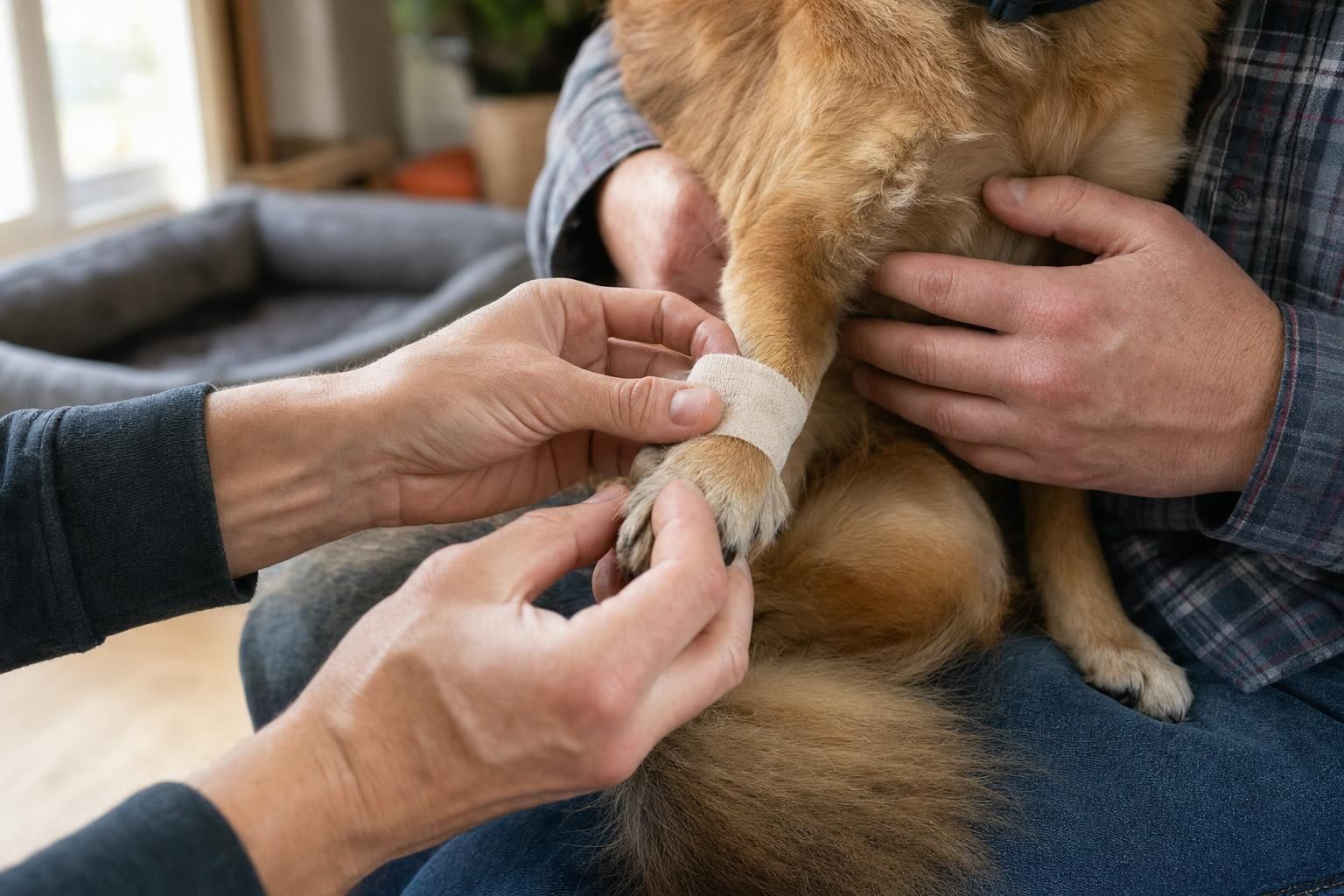
ACL tears in dogs:
Pretty common injury, especially in active dogs who think they’re still puppies. The dog comes in limping, not wanting to put weight on the back leg. We examine them – could be at your house or at our facility, doesn’t matter. If it’s an ACL tear (and usually it is if we’re seeing those specific signs), we discuss surgical options.
We’d schedule the repair at our Lantana facility, do the surgery – usually lateral suture technique – and then handle post-op checks as house calls so your dog doesn’t have to stress about car rides while they’re healing. It takes about 8 weeks for full recovery with strict activity restriction. Yes, it’s a long time. Yes, your dog will be frustrated. But it works.
Emergency bloat cases:
Bloat (GDV) is genuinely life-threatening – we’re talking minutes matter here. If you call us with a dog who’s trying to vomit but nothing’s coming up, distended abdomen, clearly in serious distress – we’re telling you to get to our facility immediately. Or if we’re not available, go to the nearest emergency hospital. Don’t wait for an appointment.
Surgery needs to happen fast. We’d get your dog stabilized, into surgery to untwist the stomach, and do a gastropexy to prevent it from happening again. These cases are terrifying for owners, but they’re survivable if caught quickly. Minutes make the difference.
Foreign body surgery:
Happens all the time. Corn cobs, socks, toys, rocks, you name something stupid and a dog has probably eaten it. If X-rays show something stuck in the intestine and your dog is vomiting or refusing to eat, we need to do abdominal surgery to remove it.
Pretty straightforward procedure if we catch it before the intestine gets damaged from the obstruction. Dogs usually go home the next day if everything looks good. The key is not waiting too long – if you know your dog ate something they absolutely shouldn’t have, bring them in sooner rather than later. Don’t wait for symptoms.
Schedule a Surgical Consultation
If your pet needs surgery, or if you want a second opinion on a surgical recommendation from another vet, give us a call. We’ll discuss the procedure, answer your questions (all of them), and give you an honest assessment of what your pet needs.
For routine surgery, we can often schedule within a week or two. For emergencies, we handle them as they come.
We’ll walk you through the process and make sure you actually understand what’s happening before we do anything.
The Bottom Line on Veterinary Surgery
Surgery is serious, but it doesn’t have to be terrifying. With proper pre-surgical workup, modern anesthesia and monitoring, and good post-op care, most pets do really well. I’ve been doing this long enough to know what works and what doesn’t, and more importantly, what complications to watch for.
Our approach: honest communication, solid surgical technique, proper equipment that’s well-maintained, and actual follow-through on post-op care. No fancy marketing language trying to make us sound like something we’re not. Just straightforward veterinary medicine done right.
If your pet needs surgery in West Palm Beach or anywhere else in Palm Beach County, we’re here to help. Give us a call.