Thanksgiving Foods That Are Dangerous for Pets
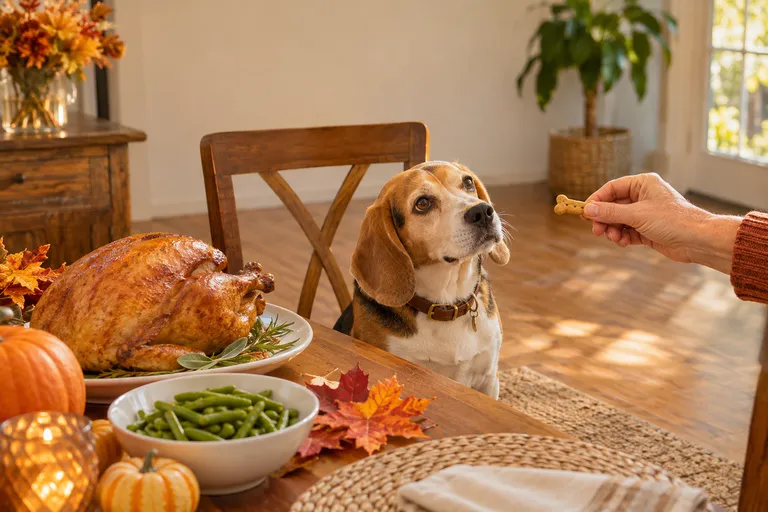
Thanksgiving is full of food, guests and open doors. It is also one of the easiest days for a pet to get into trouble.
A dropped bite here. A trash bag left open there. A guest who says, “Just one little piece!”
This guide shows what to keep away from your pet, what is safe, and what to do if something goes wrong.
Foods to keep away from pets
Never share these
- Onions, garlic, chives and leeks. These can damage red blood cells. Cooked, raw and powdered all count. Stuffing and gravy often have them.
- Grapes and raisins. Even small amounts can be dangerous, especially for dogs. They can harm the kidneys. Watch for them in salads and desserts.
- Xylitol. This sweetener is in some sugar-free gum, candy, baked goods and peanut butter. It is very dangerous to dogs. Check labels.
- Chocolate. Dark and baking chocolate are the worst.
- Alcohol. Keep drinks out of reach, including drinks left on low tables.
- Raw bread dough with yeast. It can swell in the stomach and cause serious problems.
- Macadamia nuts. They can make dogs weak and sick.
Risky foods
- Turkey skin, fat and gravy. Rich, fatty food can cause an upset stomach or a painful belly problem called pancreatitis.
- Cooked bones. Turkey bones can splinter. They can hurt the mouth, throat or gut, or cause a blockage.
- Strings and netting from the turkey. Pets may swallow them. This can block the gut.
- Pie and desserts. Many have sugar, nutmeg, raisins or sweeteners that are unsafe.
- Salty or heavily seasoned dishes. Too much salt can make a pet sick.
Safer treats
Small amounts only. A big change in food can still upset the belly.
- Plain, cooked turkey meat. No skin, no bones, no seasoning.
- Plain green beans. No butter, onion or sauce.
- Plain cooked sweet potato or plain canned pumpkin. Not pumpkin pie filling.
- Your pet’s own treats or regular food.
If your pet has a health problem, such as diabetes or a sensitive stomach, skip table food. Ask us what is safe.
Make a pet-safe plan
- Tell your guests. A friendly sign on the kitchen counter helps: “Please do not feed the pets.”
- Give your own treat. Hand guests a small bowl of pet-safe treats to share.
- Seal the trash. Use a lid that closes. Take the bags out right after dinner.
- Keep food off the edge. Counters and low tables are easy targets.
- Give a quiet room. A busy house can scare shy pets. A safe room with water, a bed and a toy helps.
- Watch the door. Guests coming and going is a common time for a pet to slip out. Check that your pet’s microchip and ID tag are up to date.
What to do if your pet ate something unsafe
Stay calm and act fast.
- Take away the food. Check that your pet is not still eating it.
- Write down what, how much, and when. Keep the package if there is one.
- Call a vet or a pet poison hotline right away. Do not wait for signs. Do not make your pet vomit unless a vet tells you to.
- ASPCA Animal Poison Control: (888) 426-4435
- Pet Poison Helpline: (855) 764-7661
- These lines may charge a fee.
Signs to call about
- Vomiting or diarrhea
- Not eating, or drooling a lot
- Swollen or painful belly
- Tiredness or weakness
- Trouble breathing
- Shaking or collapse
If your pet has trouble breathing, collapses, or has seizures, go to an emergency vet now.
Before the holiday
Do you have questions about your pet’s diet? Is your senior pet due for a check-up? Now is a good time, before the busy week.
Call or text: (561) 493-3860
Happy Thanksgiving from all of us at All About Town Pet House Calls.
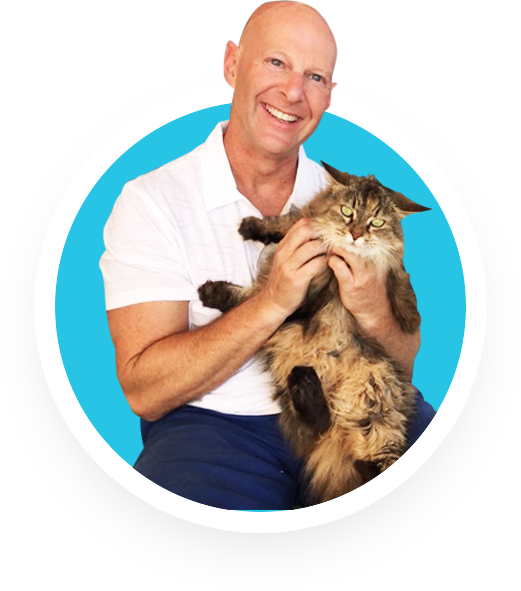
A 1991 graduate of Colorado State University School of Veterinary Medicine, Dr. Steve began his career in southern Vermont, where he owned and operated the Deerfield Valley Veterinary Hospital near Mt. Snow. After years of enduring harsh winters, he relocated to South Florida to be closer to family. In 2008, he started offering house calls, which eventually evolved into a full-time practice. His mission has always been to provide the most comprehensive in-home veterinary experience available.