
By Steven Teisch, DVM | All About Town Pet House Calls | House Call Vet + Surgery Center, Palm Beach County
Did You Know We Can Do X-Rays in Your Home?
Most people don’t realize this until we show up and start unloading the equipment.
We have a portable digital x-ray machine. Battery operated. We can image the chest, the abdomen, all four limbs, right there on your kitchen floor. No power outlet, no clinic, no loading a sick or painful animal into a car to get it done.
The ultrasound machine comes with us too. Full abdominal ultrasound. Cardiac evaluation. Soft tissue assessment. The same imaging that would happen at a traditional clinic, happening in your living room instead.
That changes things for a lot of pet owners. Especially the ones who’ve been putting something off because getting their dog there was going to be a whole production.
What X-Rays Tell Us
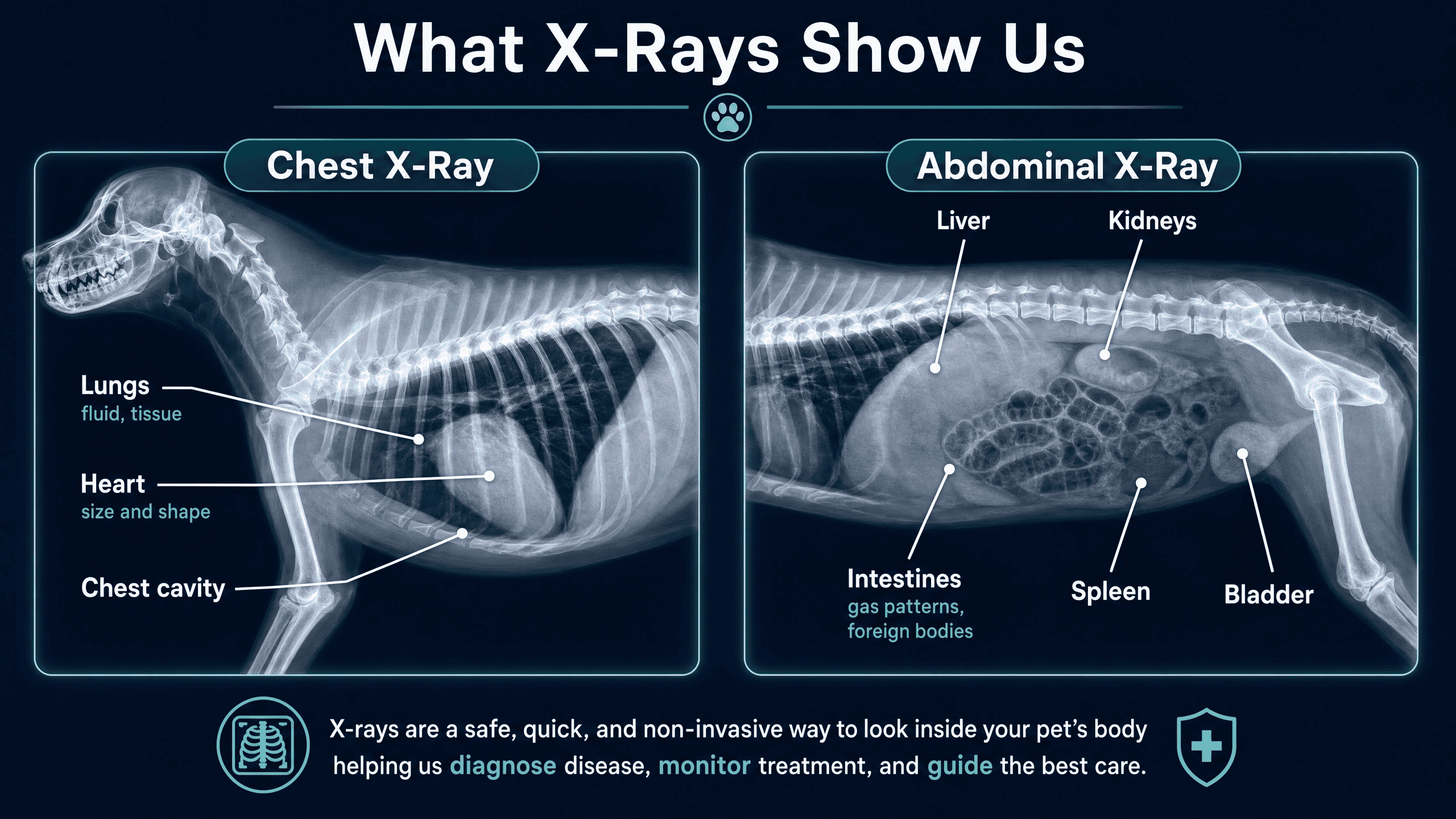
X-rays are how we look at structure. Bone, mostly, but also the shape and size of organs, and anything that’s denser than surrounding tissue shows up clearly.
When we take chest x-rays, we’re looking at heart size and shape, lung tissue, fluid where it shouldn’t be. An enlarged heart can point to early cardiac disease. Fluid in the chest can mean infection, heart failure, or a mass.
Abdominal x-rays show us the liver, spleen, kidneys, bladder, intestinal gas patterns, foreign bodies if a dog ate something they shouldn’t have. A lot can change between “normal” and “we need to deal with this.”
Limb x-rays show fractures, bone tumors, joint changes from arthritis, developmental abnormalities in younger animals.
You know, one of the things people don’t expect is how much a routine image shows. We’ll be there for something fairly specific and end up finding something on the film that wasn’t even why we came. That’s not a bad thing. That’s the point of actually looking.
What Ultrasound Tells Us
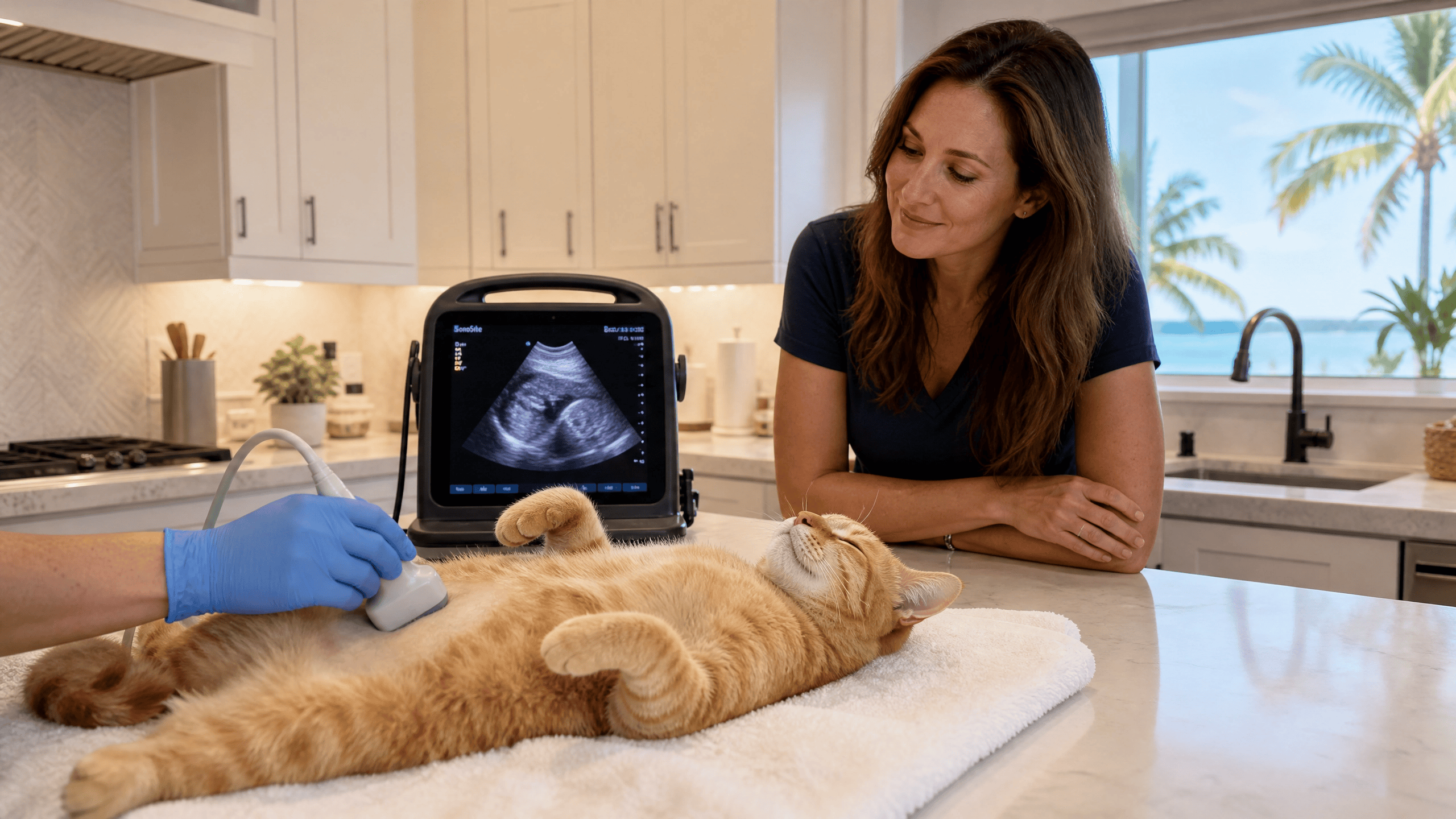
Ultrasound is different. It’s soft tissue. Real-time. You can see things moving, which matters for certain assessments.
For abdominal ultrasound, we’re looking at organ texture and size, fluid, masses, lymph nodes, blood flow to major vessels. The liver, spleen, kidneys, adrenal glands, bladder, reproductive organs if intact. A cat losing weight and we’re not sure why. A dog whose bloodwork came back with elevated liver enzymes and we want to see what’s there. Ultrasound is often where we find the answer.
Cardiac ultrasound shows us the heart functioning in real time. Chamber size, wall thickness, valve movement, how well the heart is actually pumping. We can detect early changes before a dog is symptomatic. Kim K., a client who’s been with us for over a decade, described it plainly: Dr. Steve “pretty much saved my dog’s life by detecting a heart murmur and immediately got him on meds.” That kind of early catch is what regular diagnostics are actually for.
Reproductive ultrasound is useful for confirming pregnancy, checking fetal viability, detecting pyometra in intact females. That last one is a surgical emergency. Being able to confirm it at home instead of sending you to a clinic saves time at the worst possible moment.
The Lab Work Comes With Us Too
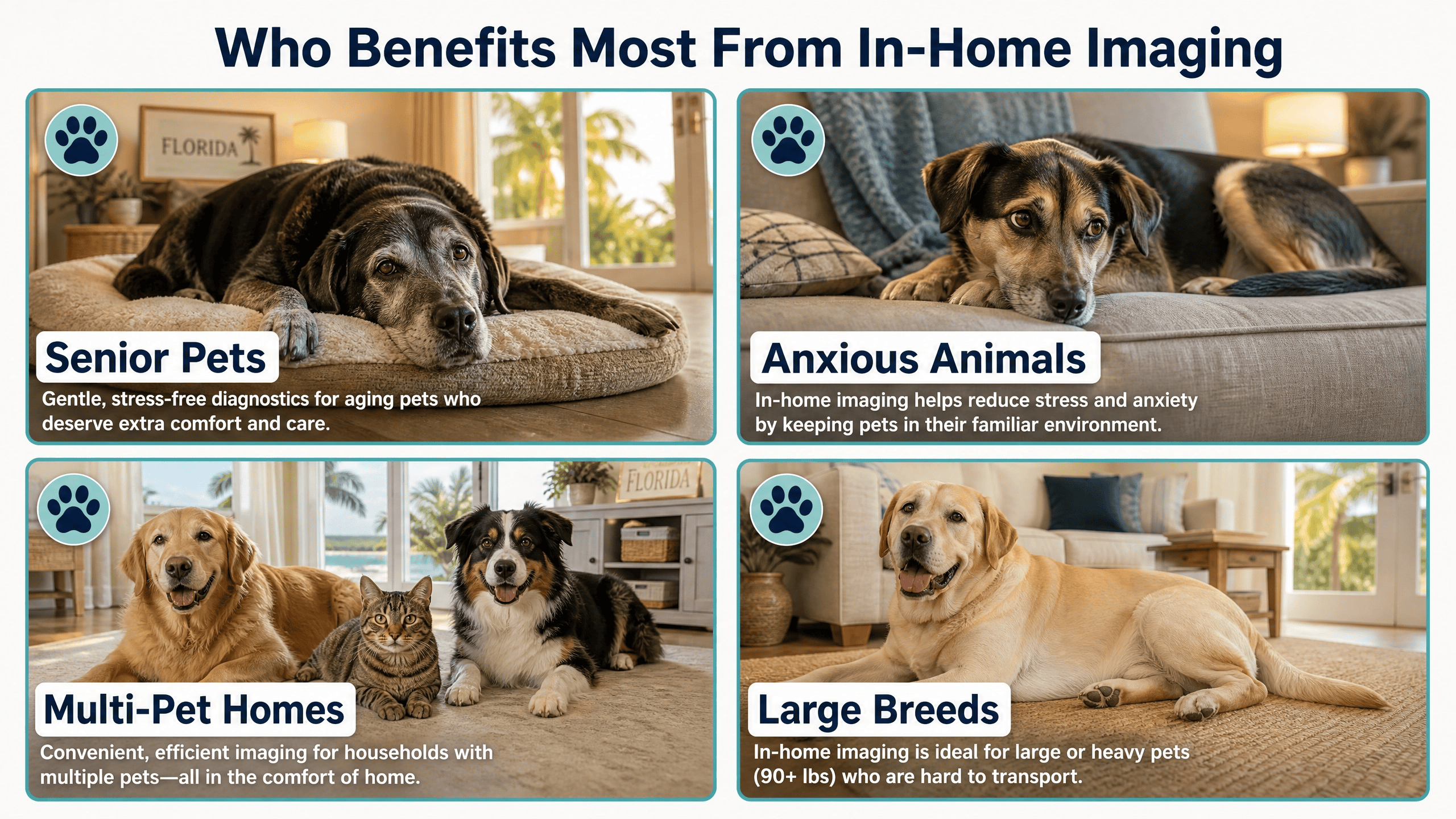
Imaging is one part of it. We also run labs.
Blood panels, CBC, chemistry, urinalysis, fecal checks. Everything goes to our outside reference lab and comes back fast. We can collect at the house call and have results before the next appointment.
So a sick dog visit might involve a physical exam, an abdominal ultrasound, and a blood panel, all in the same appointment, all at home. That’s not a different experience from what you’d get at a full clinic. It’s the same workup, different location.
Randy Kurtz, who’s been bringing his pets to us for fifteen years, summed it up well: “Outstanding at diagnosis and treatment… the clinic is beautiful and up-to-date. Dr. Steve really listens and really cares.”
The clinic he’s referring to is our Lantana facility, which is where surgery and advanced procedures happen. But the diagnostic work? That happens at your house.
When Imaging Leads Somewhere Else
Here’s the honest version of how this works.
Sometimes we come out, do the imaging, and everything looks fine, or we find something minor and manageable. That’s the best outcome and it happens a lot.
Sometimes we find something on the x-ray or ultrasound that needs a procedure. A mass that needs to come out. A bladder stone. An intestinal obstruction. Something the imaging shows clearly that requires surgery to fix.
When that happens, you’re not being handed off to a stranger. Our surgical facility is at 301 E Ocean Ave in Lantana, and the same team that did your house call is the team handling the procedure. We already know your pet. We have the images. We know the history. There’s no starting over.
That continuity matters more than most people think going in. When an animal is already stressed and unwell, having a familiar face at the surgical facility is not a small thing.
Who Benefits Most From In-Home Imaging
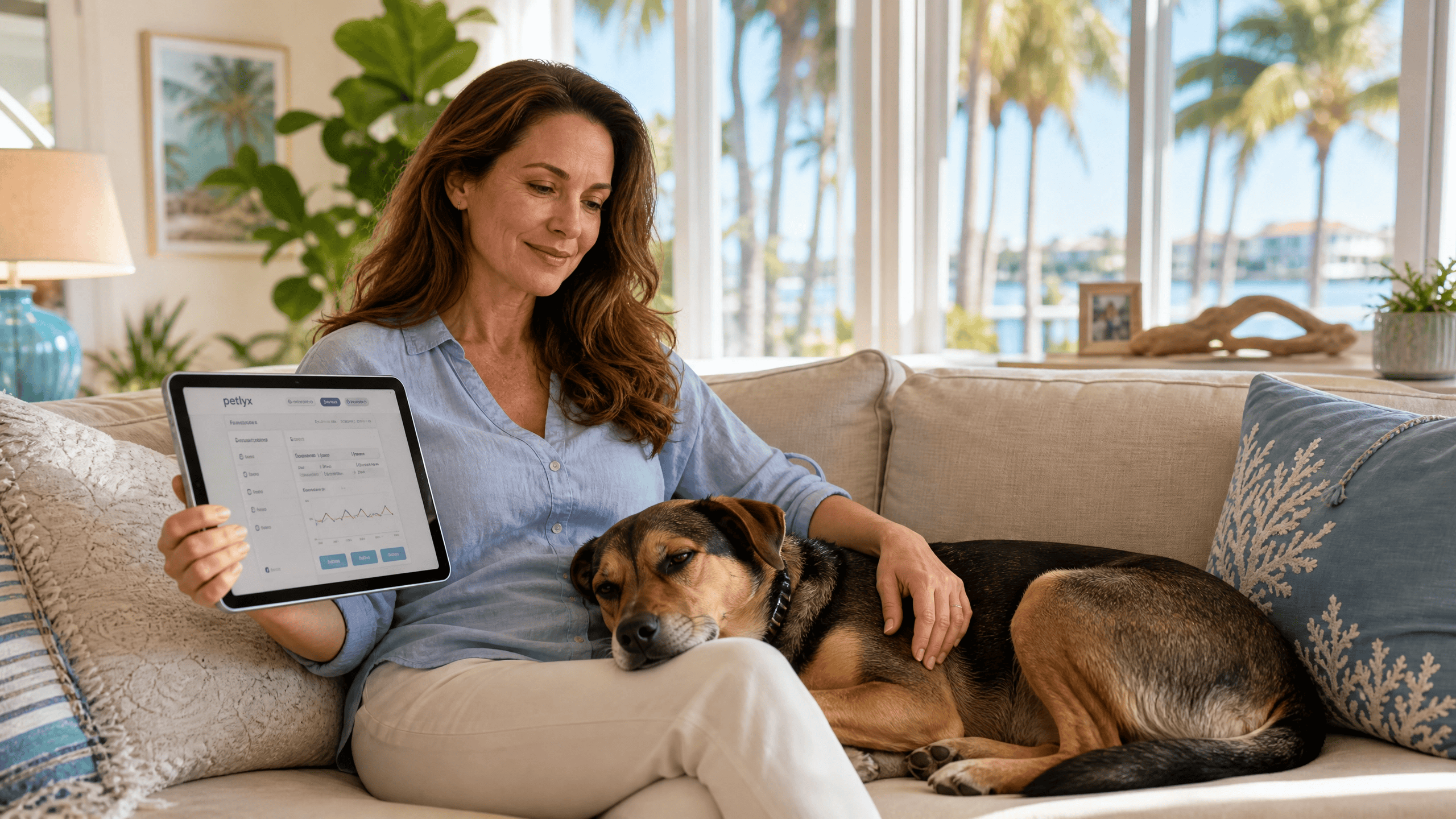
Pretty much any animal that needs it, but a few situations stand out.
Senior pets. An older dog with arthritis who’s been limping is not going to have a better experience for being loaded into a car and driven to a clinic. We come to them. The imaging happens where they’re comfortable. And honestly, older animals show us more useful information when they’re relaxed. Their baseline is easier to read.
Animals with existing anxiety around vet visits. Some dogs are genuinely difficult to examine at a clinic. Not because they’re aggressive, but because the environment spikes their stress to the point where you can’t get an accurate read on anything. At home, they settle. We can do a proper exam, get clean images, and actually know what we’re looking at.
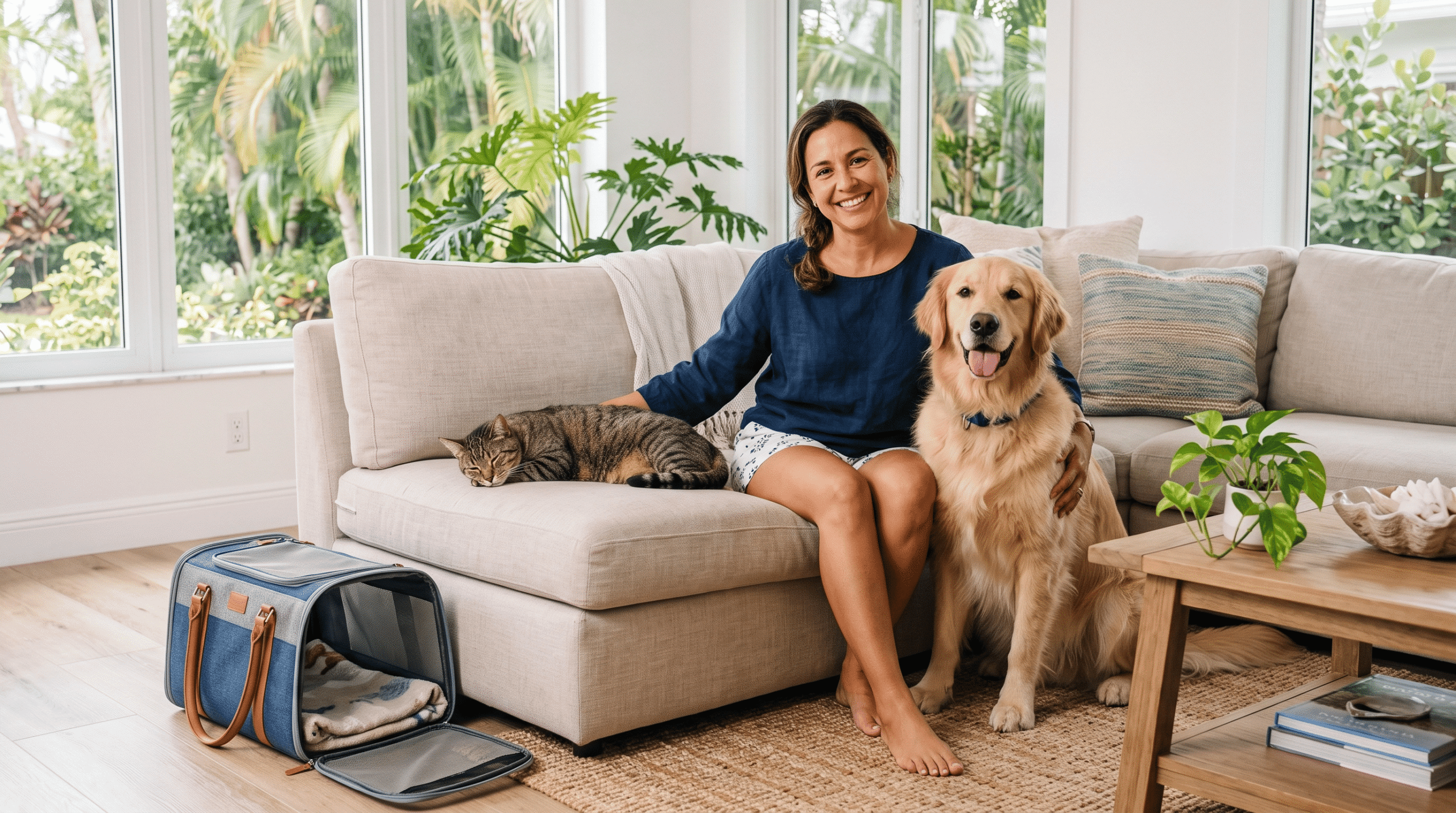
Multi-pet households. If you’ve got three animals that all need imaging at different intervals, coordinating clinic trips for each one is a project. We can see everyone in one appointment, or schedule efficiently across visits without the logistics of multiple car trips.
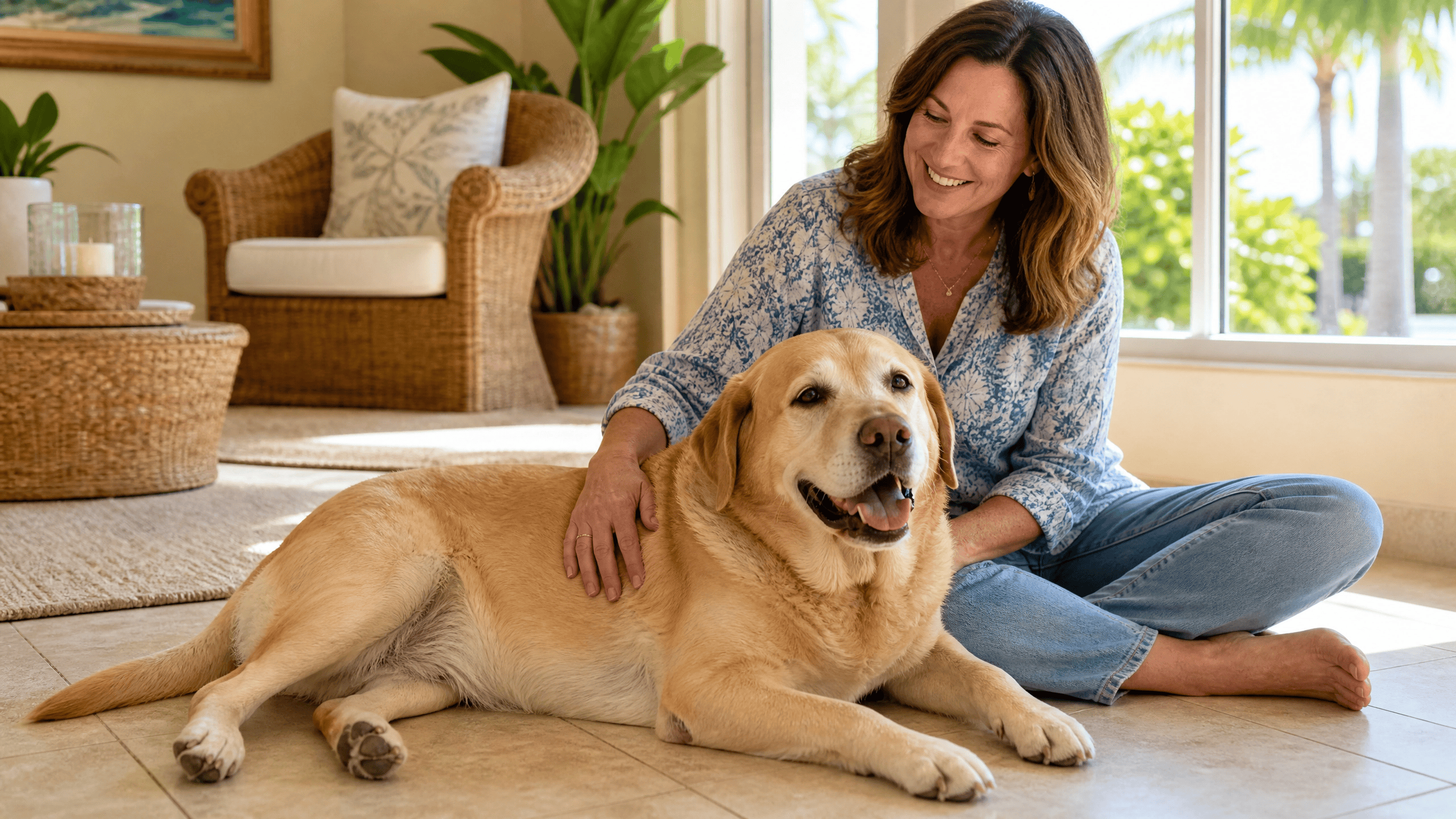
Large breeds. Lifting a 90-pound Labrador in and out of a vehicle when something is wrong is rough. We come to them.
What to Expect During the Appointment
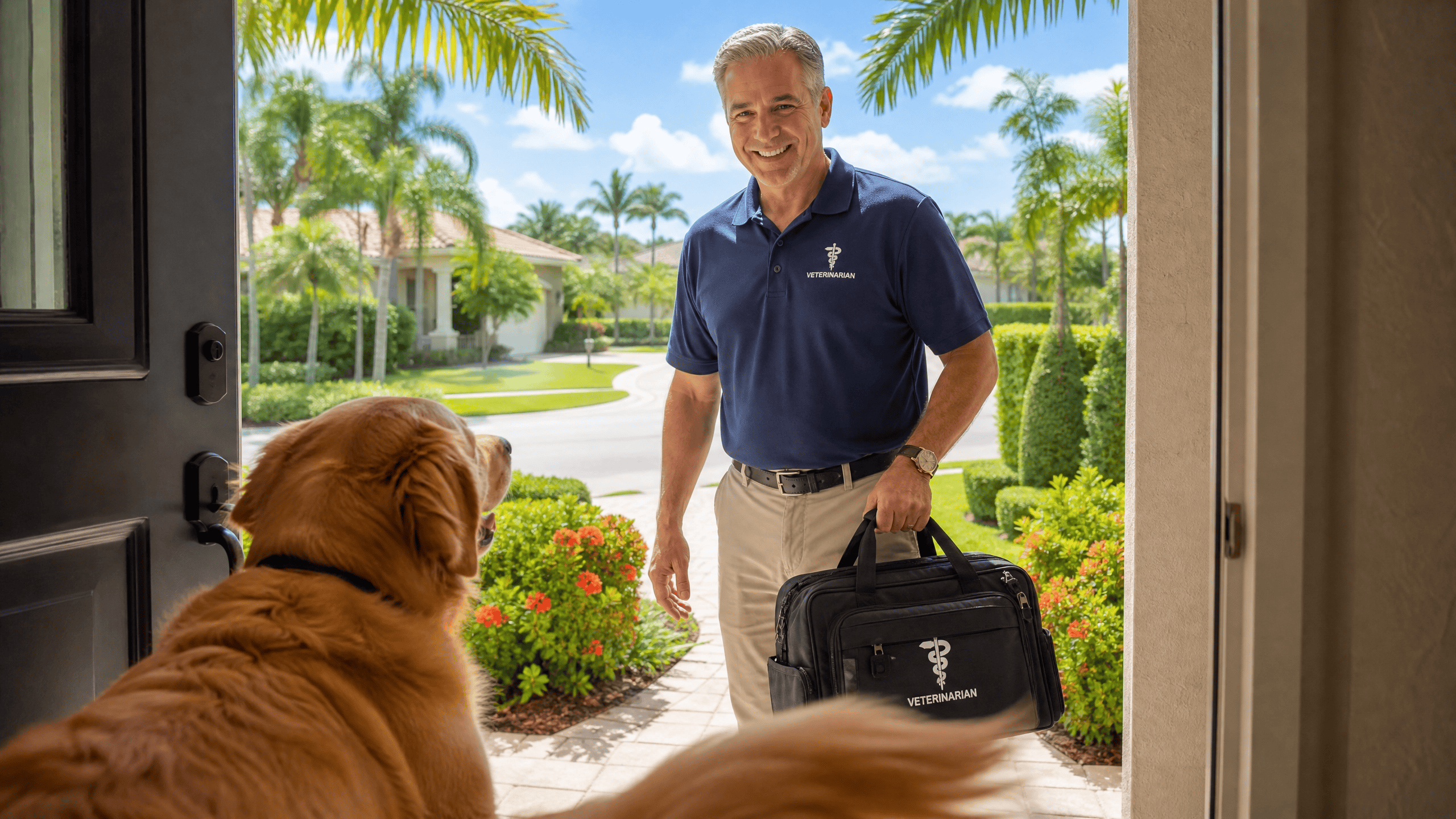
When we arrive for an imaging appointment, we bring everything in and let your pet get used to having us there before we start. We don’t rush that part. An animal that’s settled down is easier to image accurately and the experience is better for everyone.
X-rays take a few minutes per view. Most dogs and cats tolerate it without sedation at home, though we’ll talk through options if your pet is likely to need some help staying still for particular images.
Ultrasound requires a little more prep in terms of positioning and sometimes shaving a small area for contact, but it’s non-invasive and most animals tolerate it well. The gel is warm. It’s not uncomfortable.
We walk you through what we’re seeing in real time. You’re not waiting in a lobby while we look at films. You’re right there. If we find something, you hear about it while we’re still at your house and we can talk through what it means and what the options are.
Scheduling in Palm Beach County
We serve all of Palm Beach County, from Jupiter and Tequesta in the north to Boca Raton in the south, including West Palm Beach, Wellington, Lake Worth, Lantana, Boynton Beach, Delray Beach, and surrounding areas. Western boundary is Westlake and the Acreage.
Call (561) 493-3860 or book at allabouttownpethousecalls.com.
If you’re calling because your pet is showing symptoms and you want imaging done, tell us that when you call. It helps us come prepared with the right equipment and plan the visit appropriately.
All About Town Pet House Calls serves Palm Beach County from Boca Raton to Jupiter, including Wellington, Lake Worth, Delray Beach, Boynton Beach, Lantana, and surrounding communities. Surgical facility: 301 E Ocean Ave Ste 5, Lantana, FL 33462. Phone: (561) 493-3860.