Lumps and Bumps: When to Worry and What to Do
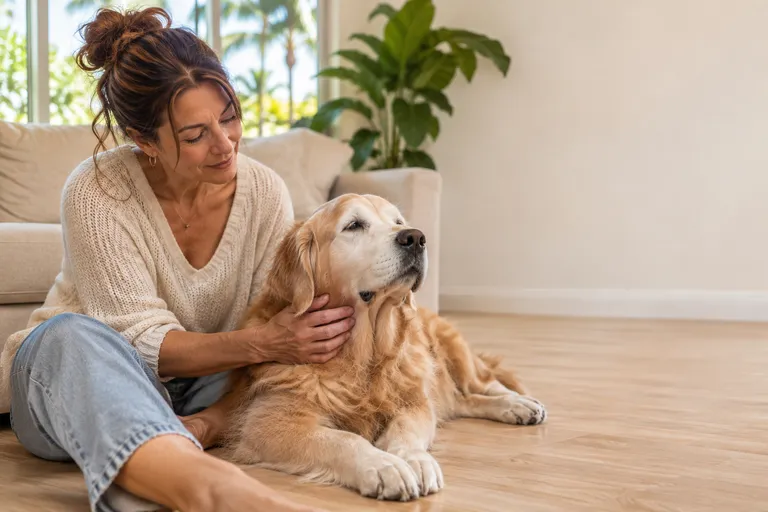
You are petting your dog on the couch. Your hand stops on a small lump you have never felt before.
Your heart drops. That is normal.
Here is the good news. Many lumps in pets are harmless. Fatty lumps and small skin growths are common, especially in older pets.
Here is the hard part. You cannot tell what a lump is by touch alone. Only a vet exam can sort it out.
This guide shows you how to check, what to write down, and when to call.
How to check your pet at home
Do this once a month. It takes about two minutes.
- Pick a calm time. Give treats to keep it fun.
- Use your fingertips. Move slowly in small circles.
- Check these spots:
- Head, jaw and neck
- Chest and armpits
- Belly and groin
- Legs, paws and between the toes
- Base of the tail
- Along the mouth and gums, if your pet allows it
- Part the fur. Look at the skin for color changes or sores.
- Note anything new, or anything that changed.
What to write down
A few notes help your vet a lot. Use your phone.
- Where the lump is. Take a photo.
- When you first saw it.
- How big it is. Put a coin next to it for a photo.
- What changed. Is it bigger, softer, harder, red, or open?
- How your pet acts. Eating, drinking, energy and bathroom habits.
When to call the same week
Call us soon if the lump:
- Is new, even if it is small
- Grows or changes shape
- Feels hard or stuck to the tissue under it
- Is red, sore, bleeding or leaking
- Bothers your pet when you touch it
Call us right away if your pet also has trouble breathing, will not eat, or seems weak.
Swollen glands
Lymph nodes are small glands. You can feel some of them under the jaw, in front of the shoulders, and behind the knees.
Swollen lymph nodes can have many causes. Infection is one. Lymphoma is another. Do not wait to see what happens. Have your vet check them.
What happens at the vet
Your vet will start with a full exam and your notes.
Often the next step is a fine needle aspirate. That means we use a thin needle to take a few cells from the lump. Most pets handle it well. It is quick, and it often does not need sedation.
We look at the cells to learn more about the lump. Sometimes we need a larger sample or further tests. We will explain each step and what it means for your pet before we go on.
Bloodwork can also be part of the plan. It gives us a bigger picture of your pet’s health. We will cover that in next week’s post.
Why early checks matter
With many health problems, finding them early gives you more options.
That does not mean every lump is serious. It means a quick check is better than guessing.
Your pet is calmer at home
Some pets are scared at the clinic. A house call can make a lump check easier. Your pet stays in a familiar place. You stay by their side.
We also have a clinic, if that works better for you.
Quick answers
Is every lump cancer? No. Many lumps are harmless. A vet exam is the only way to know.
Do old pets get more lumps? Yes, lumps are more common in older pets. That is one reason we like regular checks for seniors.
Do cats get lumps too? Yes. Cats hide illness well, so check them often.
Found a lump? Call us.
We come to you in Palm Beach County, or you can visit our clinic.
Call or text: (561) 493-3860
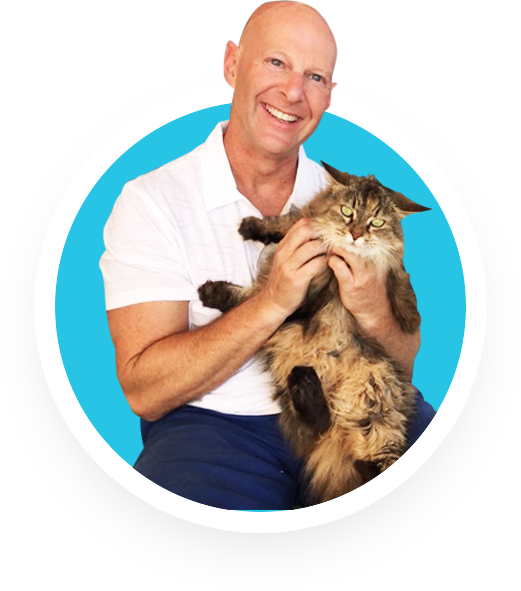
A 1991 graduate of Colorado State University School of Veterinary Medicine, Dr. Steve began his career in southern Vermont, where he owned and operated the Deerfield Valley Veterinary Hospital near Mt. Snow. After years of enduring harsh winters, he relocated to South Florida to be closer to family. In 2008, he started offering house calls, which eventually evolved into a full-time practice. His mission has always been to provide the most comprehensive in-home veterinary experience available.