
You know how it is. You see your dog every single day, so you’re the last person who would notice a change. A little here, a little there, and then one day the scale at the vet says a number you didn’t expect.
Pet weight is one of the most common things we end up talking about with clients, and it’s the one people least expect to hear. October is National Pet Wellness Month, which makes it a good time to talk about it plainly. No guilt. Just what’s going on, why it matters, and what you can do.
Most pets are carrying extra weight, and most owners don’t see it
The Association for Pet Obesity Prevention (APOP) surveyed U.S. pets in 2022 and found that 59% of dogs and 61% of cats were overweight or obese. That’s roughly six pets out of every ten.
Here’s the part that stuck with us. In a separate APOP survey of pet owners in 2023, 84% of dog owners and 70% of cat owners described their pet’s body condition as healthy. Those two numbers can’t both be right. APOP’s founder has described the pattern as owners thinking pet obesity is a problem, just not for their pet.
It makes sense, though. You look at your pet every day. Gradual change is nearly invisible. And a lot of us have simply gotten used to what an average pet looks like, which is heavier than it used to be.
Why a few extra pounds matter
It isn’t about looks. Extra body fat is hard on a pet’s body in ways that add up over the years.
Joints take the first hit. APOP calls osteoarthritis the number one condition linked to excess weight, in dogs and in cats. Arthritis in cats is easy to miss because they rarely limp. They just jump less, sleep more, and stop using the high perch. If you’ve been writing that off as getting older, it’s worth a second look.
Diabetes is the other big one, especially in cats. Extra fat makes the body less responsive to insulin, and overweight cats are at real risk of ending up on daily insulin. Excess weight is also tied to high blood pressure, breathing trouble, and a tougher time with anesthesia, since dosing gets less precise as body fat goes up.
Then there’s lifespan. In a well-known 14-year study of Labrador retrievers run by Purina, dogs kept lean lived a median of about 1.8 years longer than their littermates fed freely. They also needed treatment for chronic conditions like arthritis later in life. One study, one breed, so take it as a strong signal and not a promise. But it’s the kind of result that gets a veterinarian’s attention.
The 30-second check you can do on the couch
You don’t need a scale or any special equipment. Vets use something called a body condition score, usually on a 9-point scale. The American Animal Hospital Association (AAHA) puts the healthy range at 4 or 5 out of 9. You can get a rough read at home with your eyes and your hands.
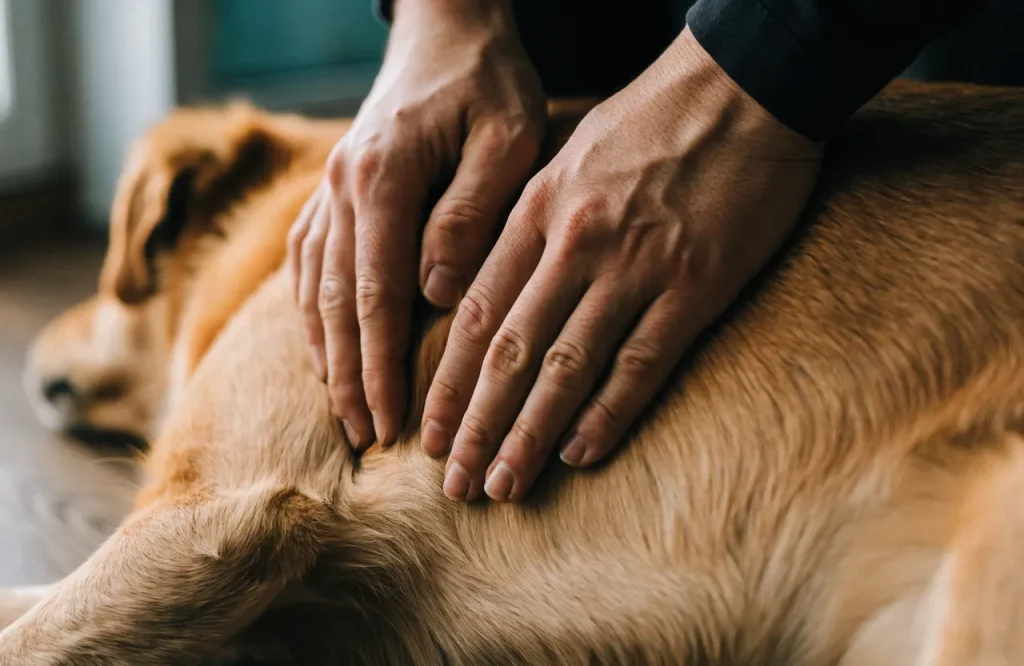
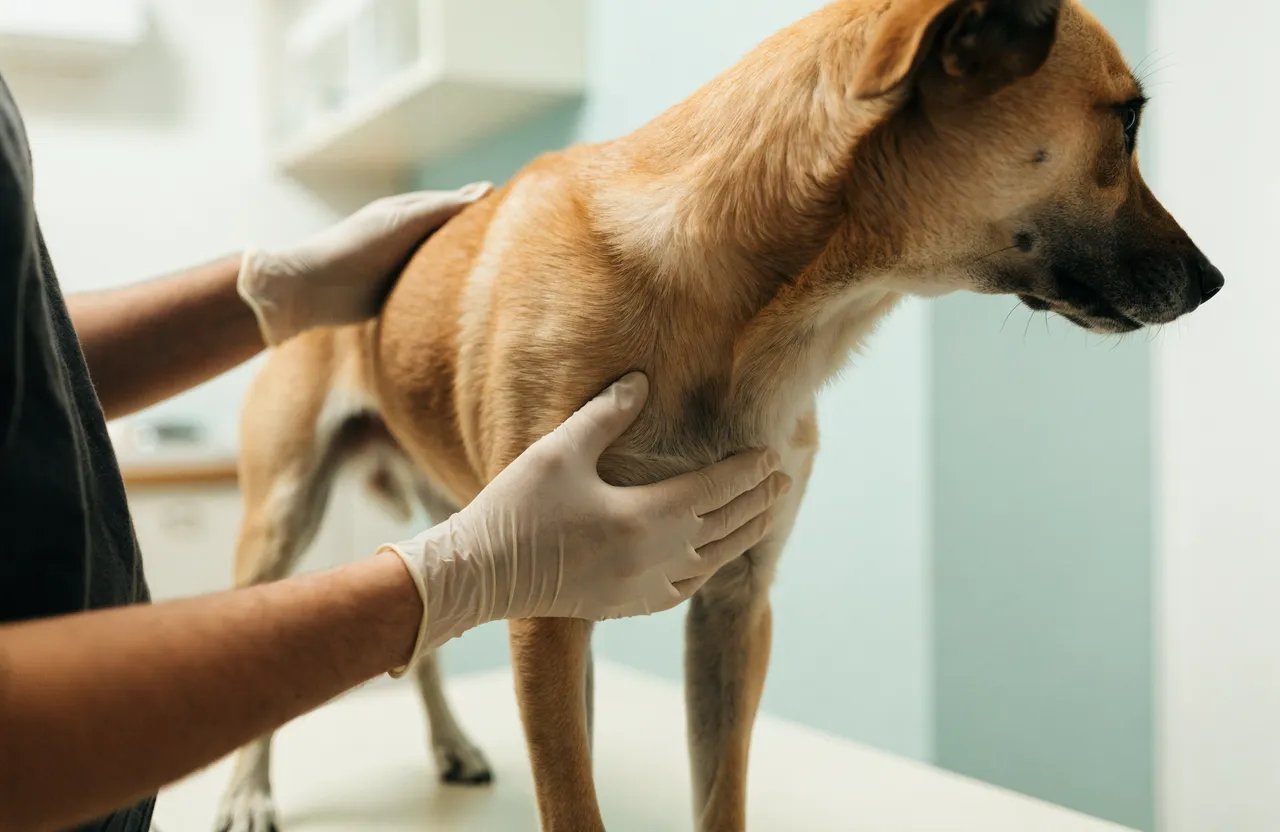
Start with the ribs. Run your fingers lightly along your pet’s side. You should be able to feel the ribs easily under a thin layer of covering, a bit like the back of your hand. If you have to press in to find them, that’s extra fat in the way. You don’t want to see each rib sticking out either.
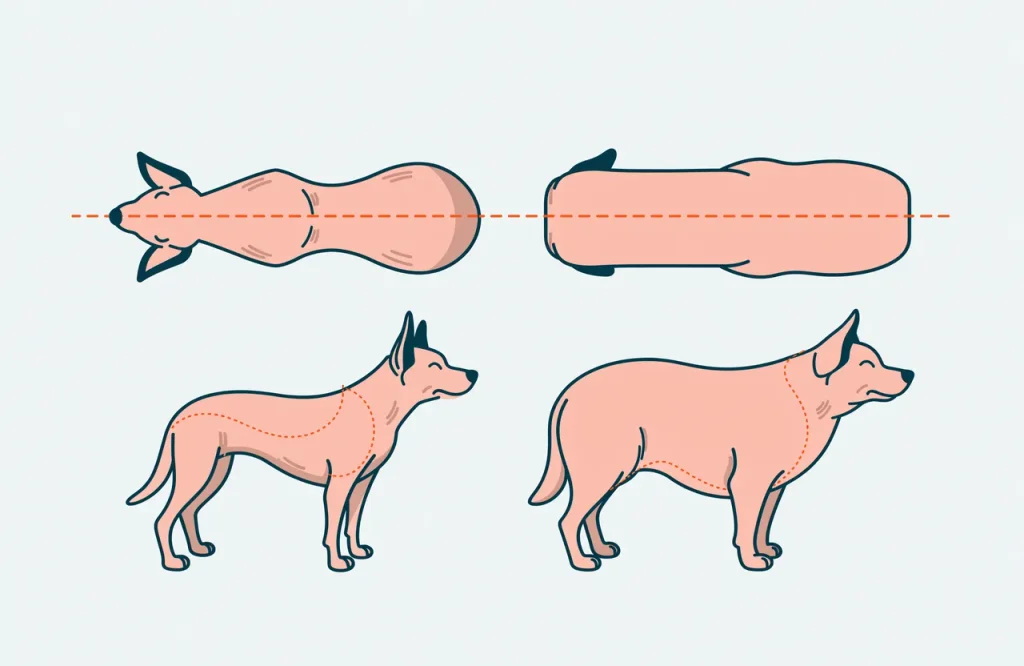
Next, look down at your pet from above while they’re standing. You should see a waist, a gentle narrowing behind the ribs. An hourglass, more or less. If your pet looks like a straight tube or bulges out at the sides, that’s a flag.
Last, look from the side. Behind the ribcage the belly should tuck up toward the back legs. A belly that hangs level or sags is another flag.
Two caveats. Long or thick coats hide a lot, so you have to rely on your hands more than your eyes. And cats can have a loose flap of skin on the lower belly, sometimes called a primordial pouch, that has nothing to do with weight and can fool you. If you’re unsure, that’s exactly what an exam is for.
Where the extra calories come from
Almost never one big thing. It’s the small stuff that happens every day.
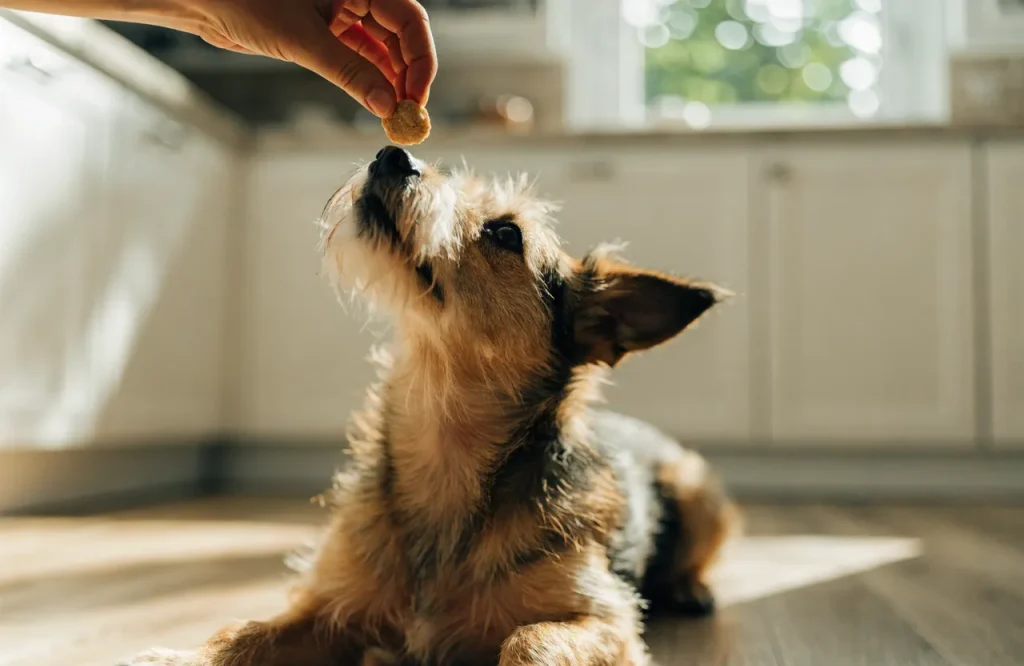
The treat at the door, the treat for coming back inside, the treat for sitting, the bit of cheese when you cook. A small piece of human food is a much bigger slice of a cat’s or small dog’s day than it is of yours. A full bowl that’s always topped up is another quiet culprit, especially in multi-pet homes where the heavy eater and the picky one share the same food. And indoor pets here in South Florida often get less activity than you’d think, especially in the summer heat.
Sometimes it’s not the food at all. A few medical conditions can cause weight gain, so the first step with a pet who’s gaining and not obviously overeating is ruling those out.
Please don’t crash diet your pet
We hear this one from caring owners all the time. They realize their cat is overweight and cut the food way back. Don’t do that, especially with cats. Rapid weight loss in a cat can cause serious liver problems. Slow and steady is the goal for dogs too.
The right plan depends on your pet’s current weight, age, health, and what they’re eating now. Call us before you change the food.
What a weight conversation with us looks like
It’s more low-key than people expect. We look at your pet’s body condition and go over what they eat in a typical day, treats and table scraps included, because that’s where the surprises are. We check for anything underlying that might be playing a part, and if it makes sense, we run bloodwork. Then we set a realistic goal and a plan you can live with, and we check back in to see how it’s going.
No lecture. Pretty much everyone who has ever owned a pet has been in this spot.
House call or hospital, your choice
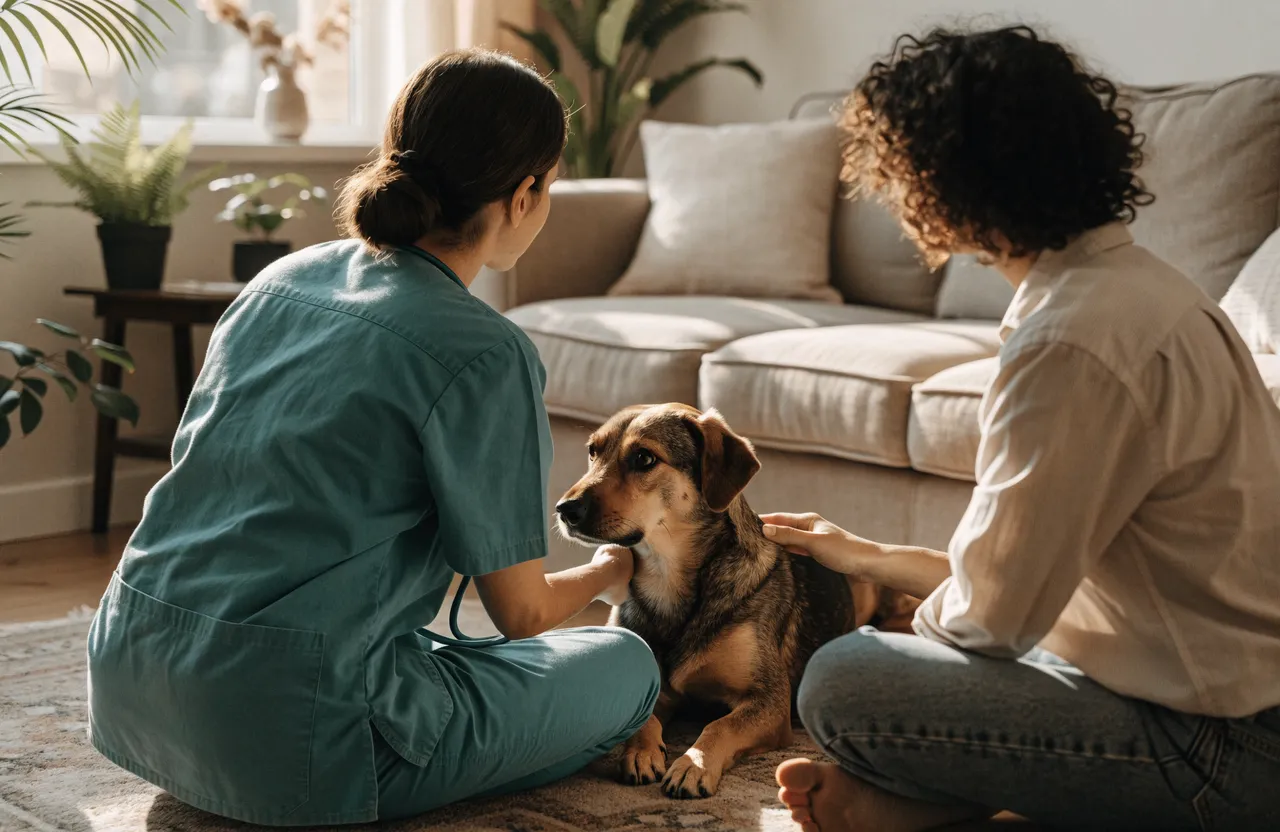
You can do this either way. We see pets at home throughout Palm Beach County, and we see them at our hospital in Lantana at 301 E Ocean Ave, Suite 5. A wellness exam is a good place to start in both cases. House calls carry a house call fee, and the hospital does not. Call us or send a request and our team will confirm a time.
A note for cat owners heading into Halloween
Since Halloween is right around the corner, a quick word for cat owners. Black cats in particular tend to be at higher risk around this time of year, and shelters and humane groups commonly recommend keeping all cats indoors for several days before and after the holiday.
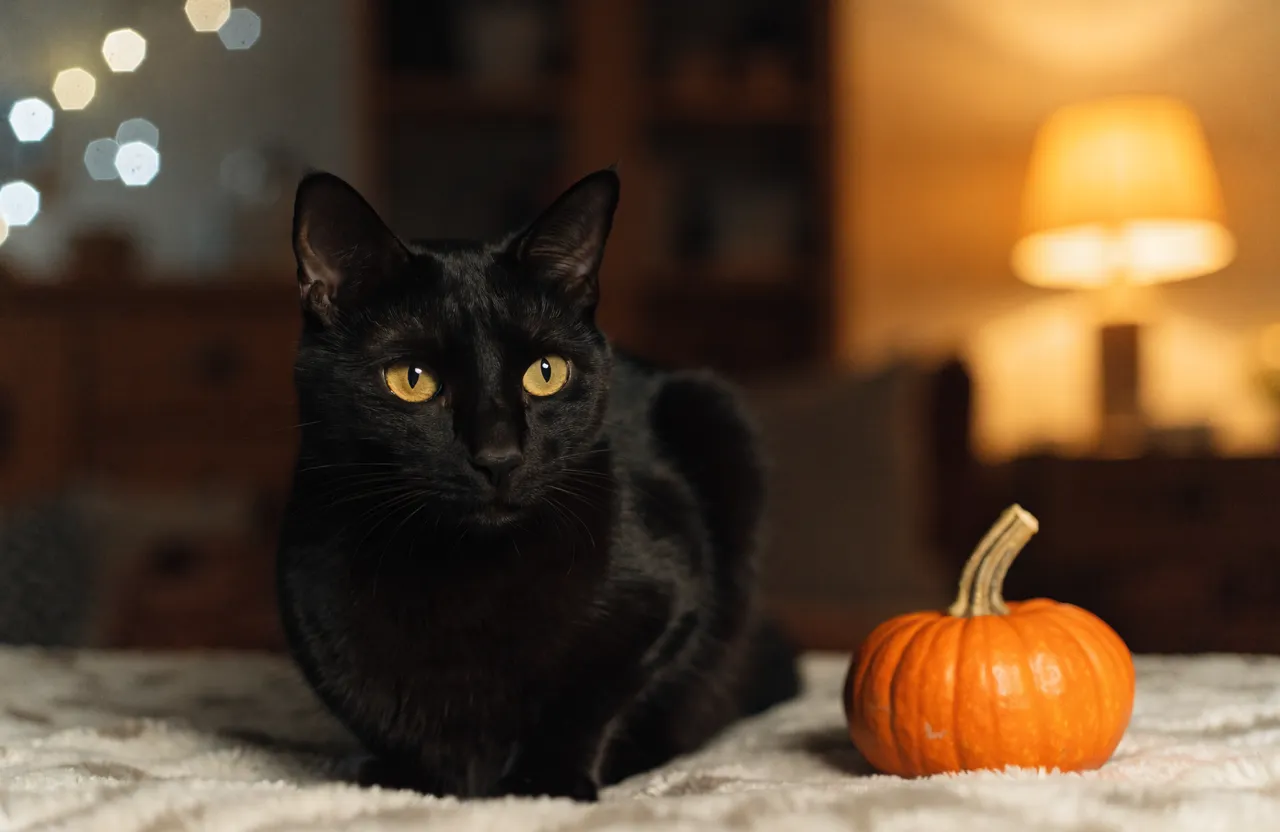
On the night itself, put your cat in a quiet room away from the front door so they can’t slip out while you’re handing out candy. Keep the candy out of reach too. Chocolate is dangerous for cats and dogs, and sugar-free candy with xylitol can poison dogs. And check that your pet’s ID is current. If your cat is microchipped, log in and confirm your phone number is right. If they aren’t, our microchipping service is a good place to start.
If your pet gets into something, call us during business hours, Monday to Friday, 8 AM to 6 PM, or call the ASPCA Animal Poison Control Center at (888) 426-4435. After hours, go to the nearest 24-hour emergency veterinary hospital.
Questions we get a lot
Is my pet’s weight normal for their breed?
Breed gives a range, but it doesn’t excuse extra fat. A Lab can be sturdy and still too heavy. Judge by ribs, waist, and tuck, not by what the breed chart says.
Can I just feed less?
Sometimes a small change is all it takes. But the amount to cut depends on your pet, and cats should never be put on a crash diet. Talk to us first so the plan is safe and actually works.
Do indoor cats need to worry about weight?
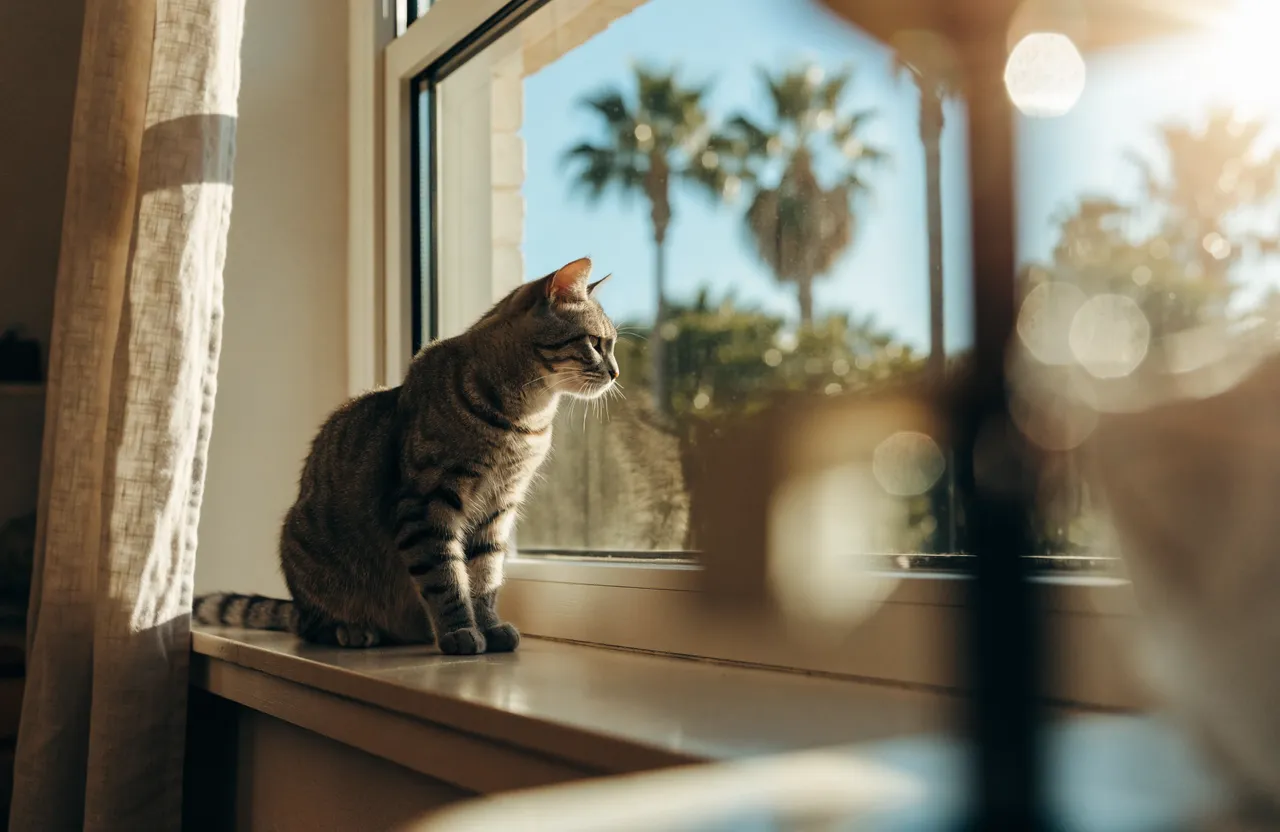
Yes. In fact, indoor cats are often the ones who struggle most, because they burn fewer calories and the food bowl is always right there. Play and food puzzles help, and it’s worth a body condition check at their next visit.
How often should I check my pet’s weight?
Checking the ribs and waist once a month is easy and takes under a minute. If the shape changes and you haven’t changed their food, let us know.
Ready to find out where your pet stands?
A wellness exam is the simplest way to get a real answer. Ask us to go over your pet’s body condition while we’re there. We’ll tell you where they are and help you build a plan if they need one.
Book a Visit or call us at (561) 493-3860. You can also email [email protected].
This article is general information and isn’t a substitute for an exam. Every pet is different, so talk with a veterinarian about yours before changing diet or exercise.
Sources
- Association for Pet Obesity Prevention, survey on pet owner awareness of overweight pets (2022 prevalence, 2023 owner survey)
- Association for Pet Obesity Prevention, Health Risks of Excessive Weight in Dogs and Cats
- American Animal Hospital Association, 2021 Nutrition and Weight Management Guidelines, body condition score charts
- Illinois State Veterinary Medical Association, Obesity Management in Dogs and Cats (summary of the Purina 14-year lifespan study)
- VIN Veterinary Partner, Obesity in pets